

Lightship Columbia (WLV-604)
7.6 km1.6k1
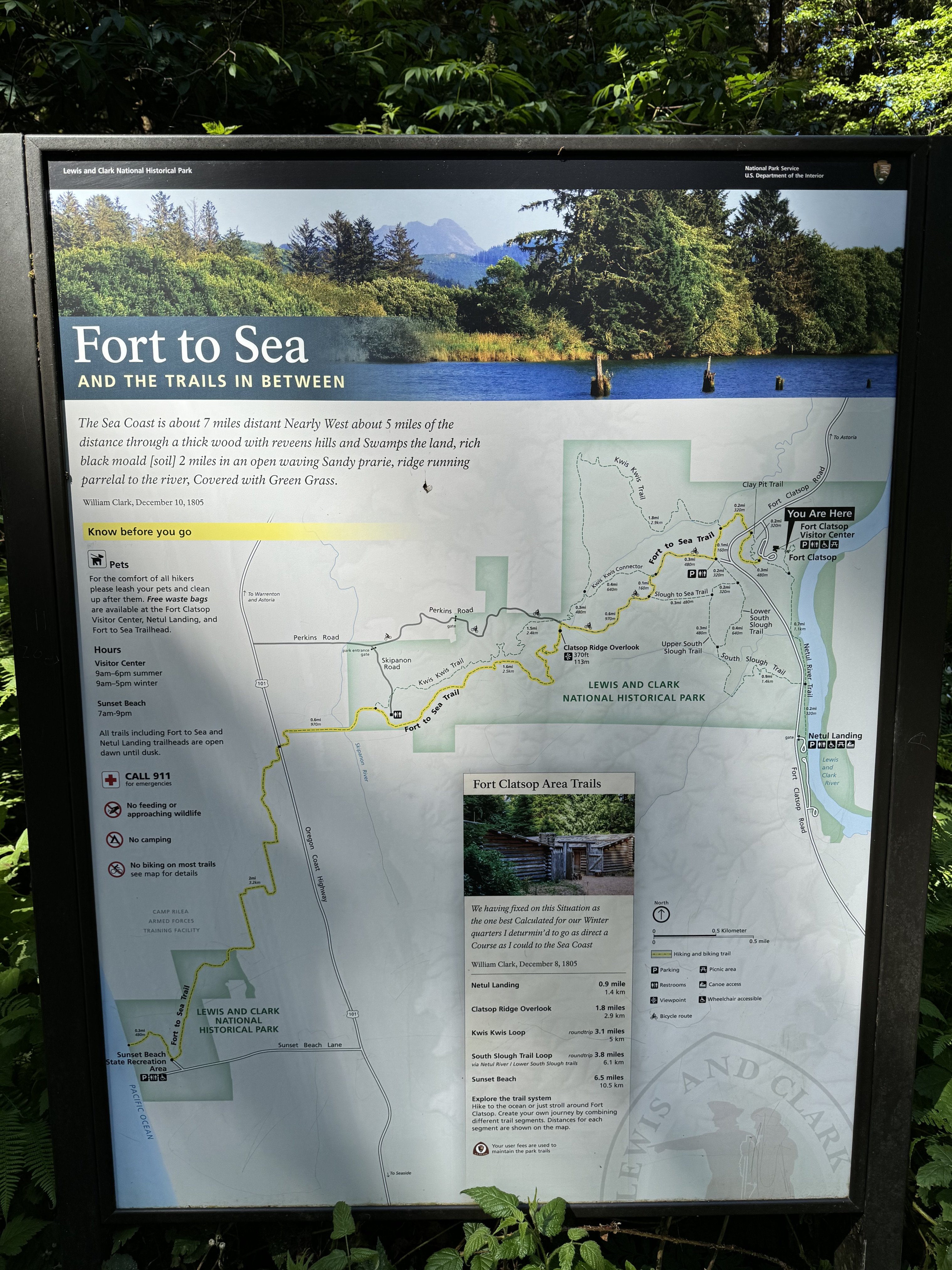
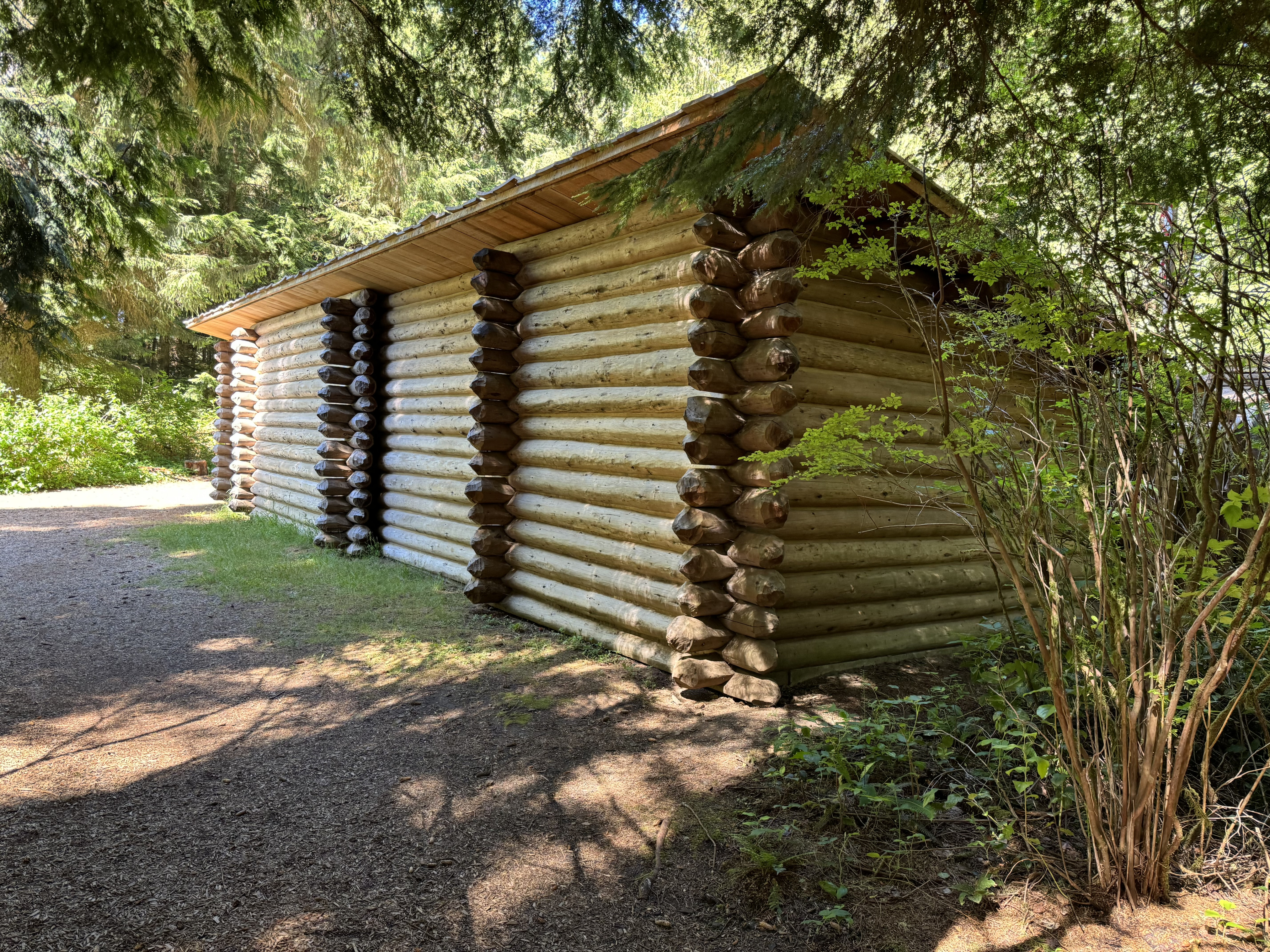
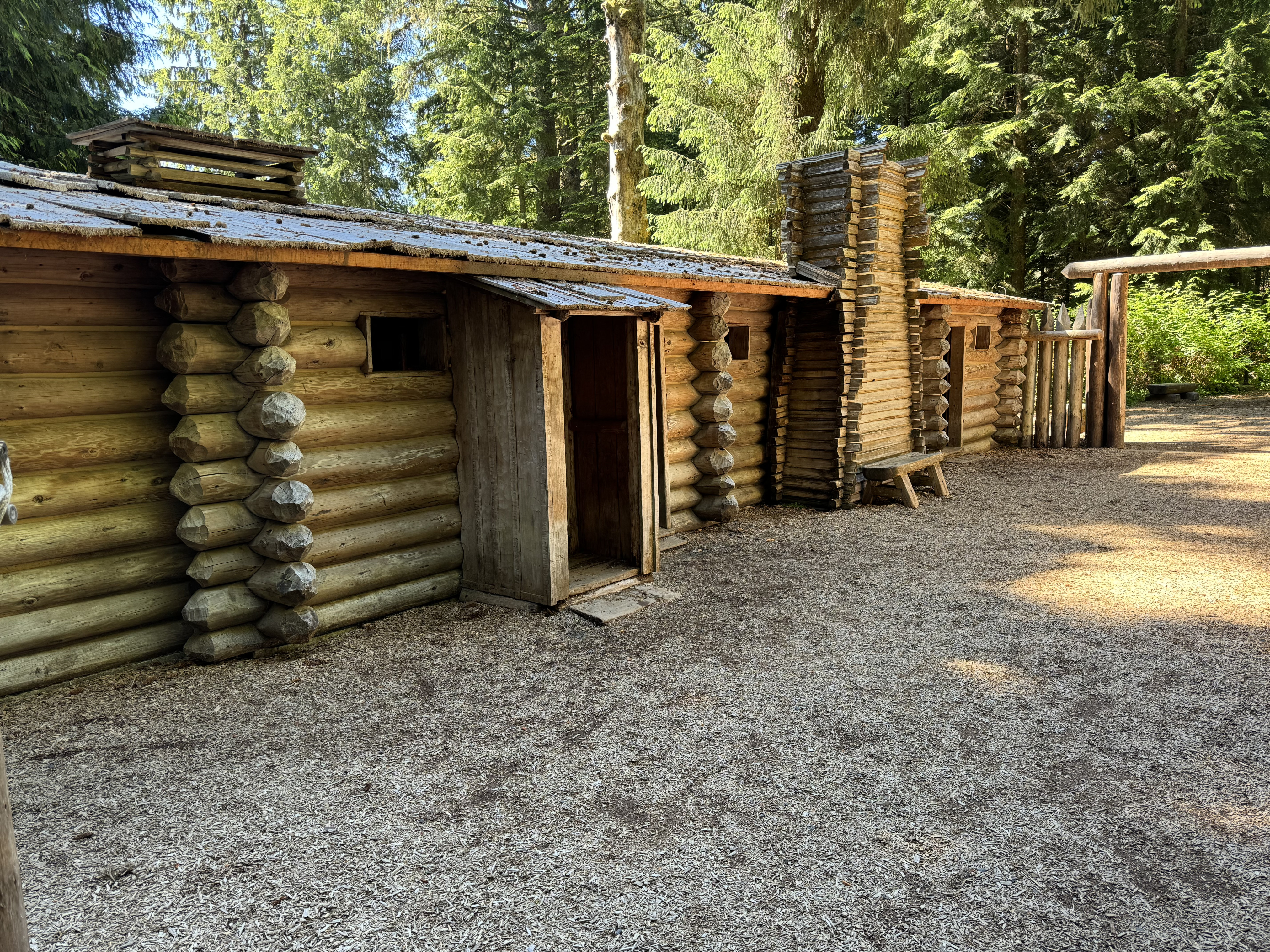
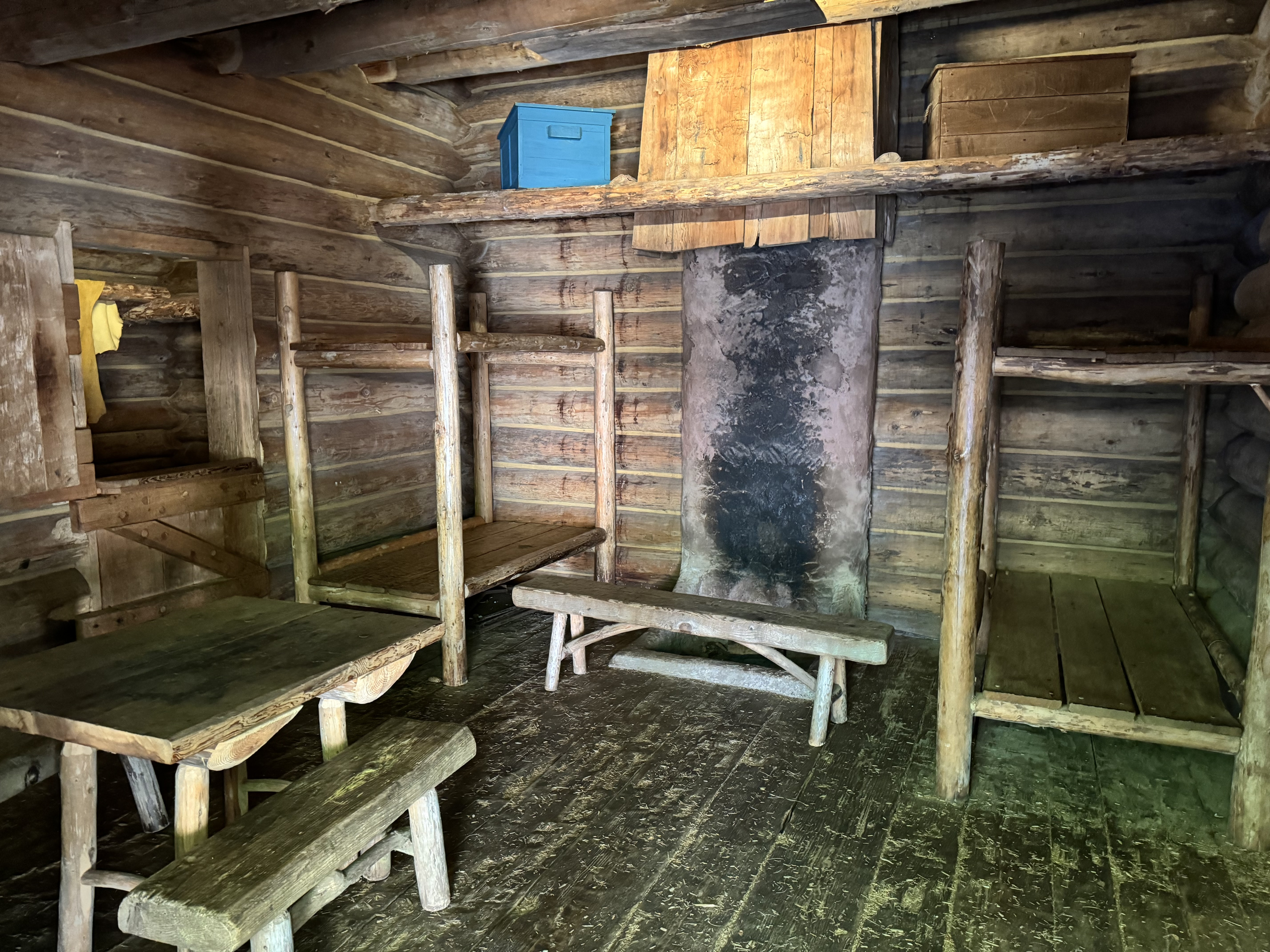
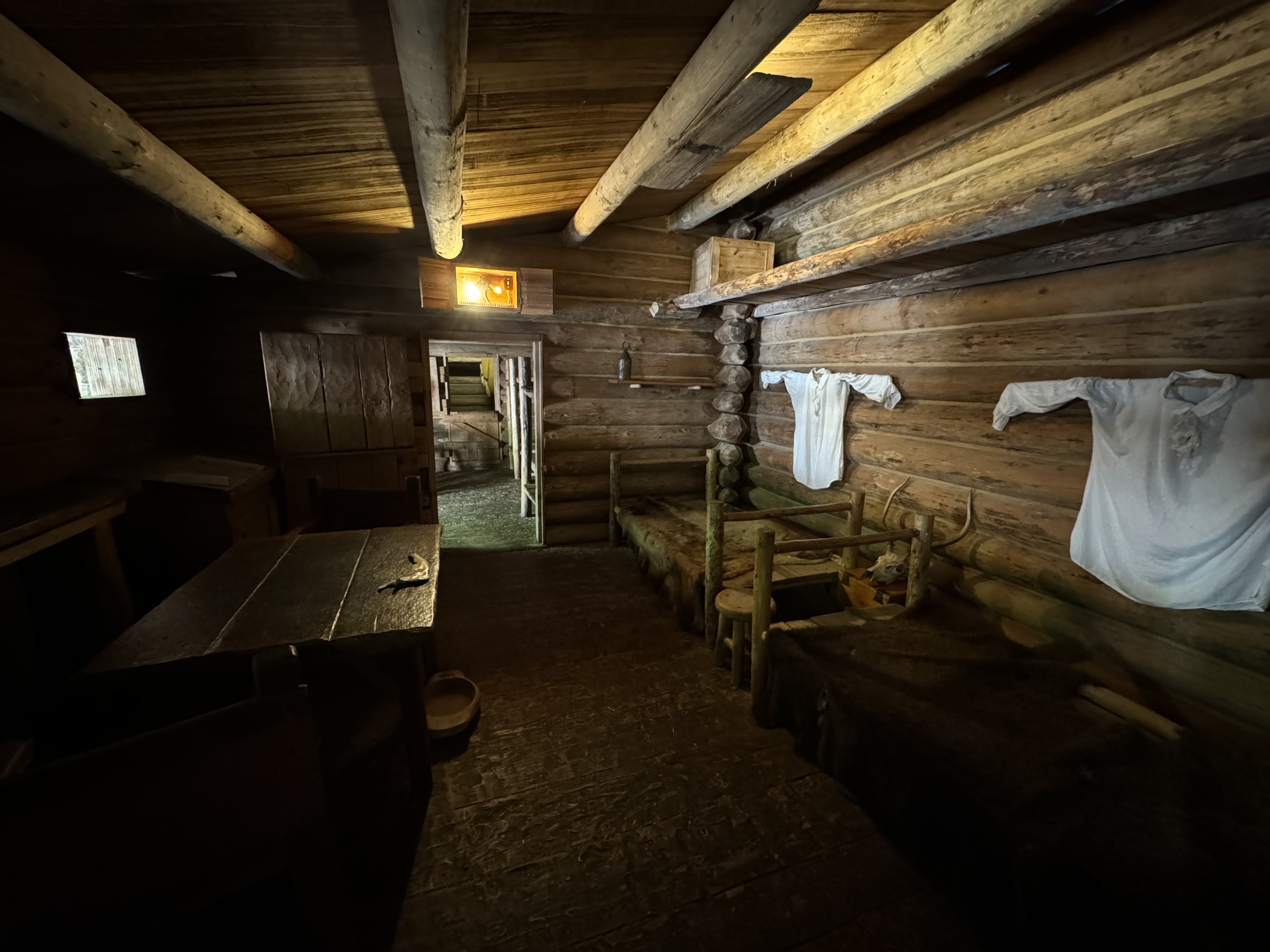
Fort Clatsop was the winter camp of the Lewis and Clark Expedition in Clatsop County, Oregon, near the mouth of the Columbia River, about 5 miles (8 km) southwest of Astoria. The Corps of Discovery spent the winter of 1805–06 here, its last before the return journey to St. Louis. Today a replica of the fort stands on the site as part of Lewis and Clark National Historical Park.
In late November 1805 the expedition was camped on the north, Washington side of the Columbia and had to decide where to winter: stay put, move upriver, or cross to the south bank, where the Clatsop people said elk were plentiful. The matter was put to a vote that included Sacagawea and York, Clark's enslaved servant; most chose the south bank. Lewis scouted ahead with five men, and on December 7 the party moved to the chosen site.
Building took just over three weeks in constant rain and wind. Some men felled trees, others hunted, and a group led by Clark went to the ocean to find a place to make salt. On December 23 the men began moving into the unfinished quarters, everyone was in by Christmas Eve, and on Christmas Day the fort was named after the local tribe. It served as the expedition's camp from December 8, 1805, to March 23, 1806.
The fort was simple: two rows of log rooms joined by a palisade. The enlisted men lived in one, while Lewis, Clark, Sacagawea, her husband Toussaint Charbonneau and their son Jean Baptiste lived in the other. Thirty-three people and a dog wintered here. Over the winter the hunters killed 131 elk, and the party sewed more than 300 pairs of moccasins.
On leaving, Lewis gave the fort to the Clatsop chief Coboway. Needing boats for the trip, the expedition also took a Clatsop canoe without permission, an episode the park still tells visitors about.
The log fort soon rotted in the damp coastal climate. Archaeologists searched the presumed site in the 1950s, and for the expedition's 150th anniversary in 1955 a first replica was built from plans in Clark's journal. It stood for fifty years before a fire badly damaged it in October 2005. About 700 volunteers built a new, rougher-hewn replica in 2006, dedicated on December 9. Until 2004 the site was Fort Clatsop National Memorial; it is now part of the historical park run by the National Park Service.
The visitor center has exhibits on the expedition, films and a bookstore. In the high season, costumed rangers demonstrate flintlock firing, hide tanning and candle making.
The easy Netul River Trail, about 1.5 miles (2.4 km), runs along the river from Netul Landing to the visitor center. The Fort to Sea Trail, about 6.5 miles (10.5 km), leads from the fort through forest and dunes to the ocean, along the route the expedition walked. The park also includes the Lewis and Clark Salt Works in Seaside, where the men boiled seawater for salt in the winter of 1806.
The fort lies southwest of Astoria on Fort Clatsop Road, about a 10-minute drive from town. You can also park at Netul Landing and walk to the fort along the river trail.
No votes yet


No reviews yet. The first one helps the next travellers.