 Fortress (Castle)


USS Columbia Lightship (WLV-604)
109.9 km1.6k1
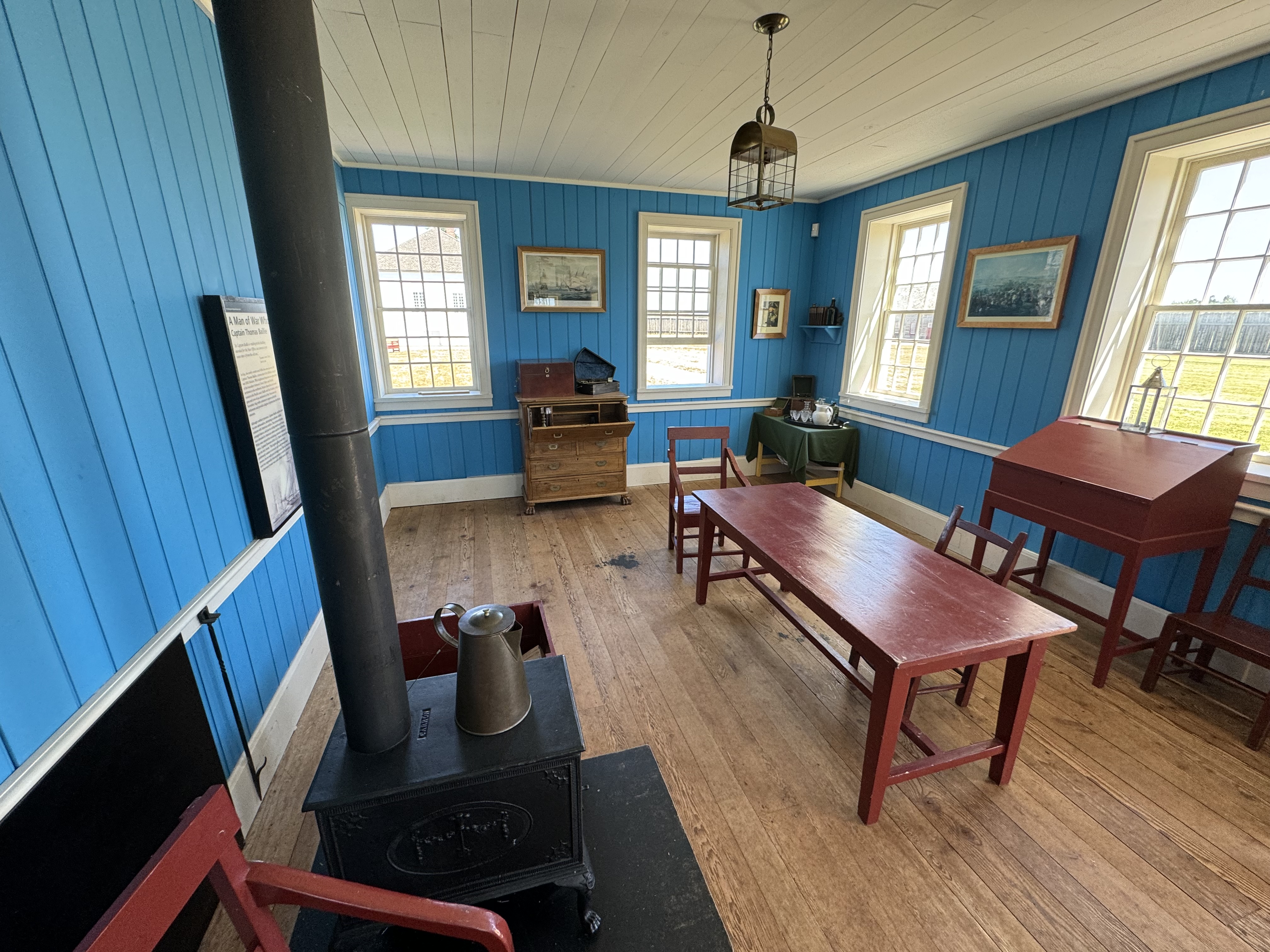
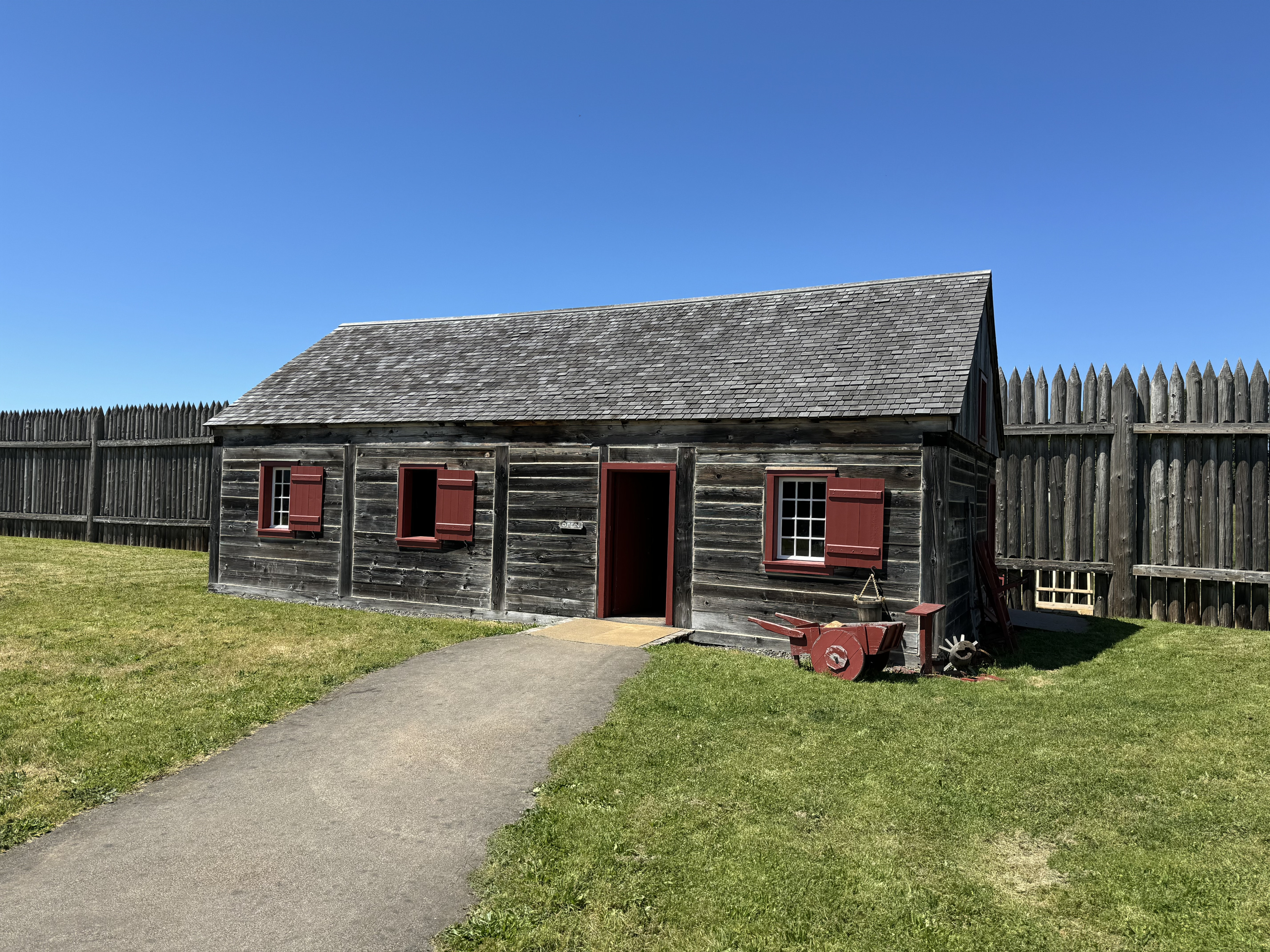
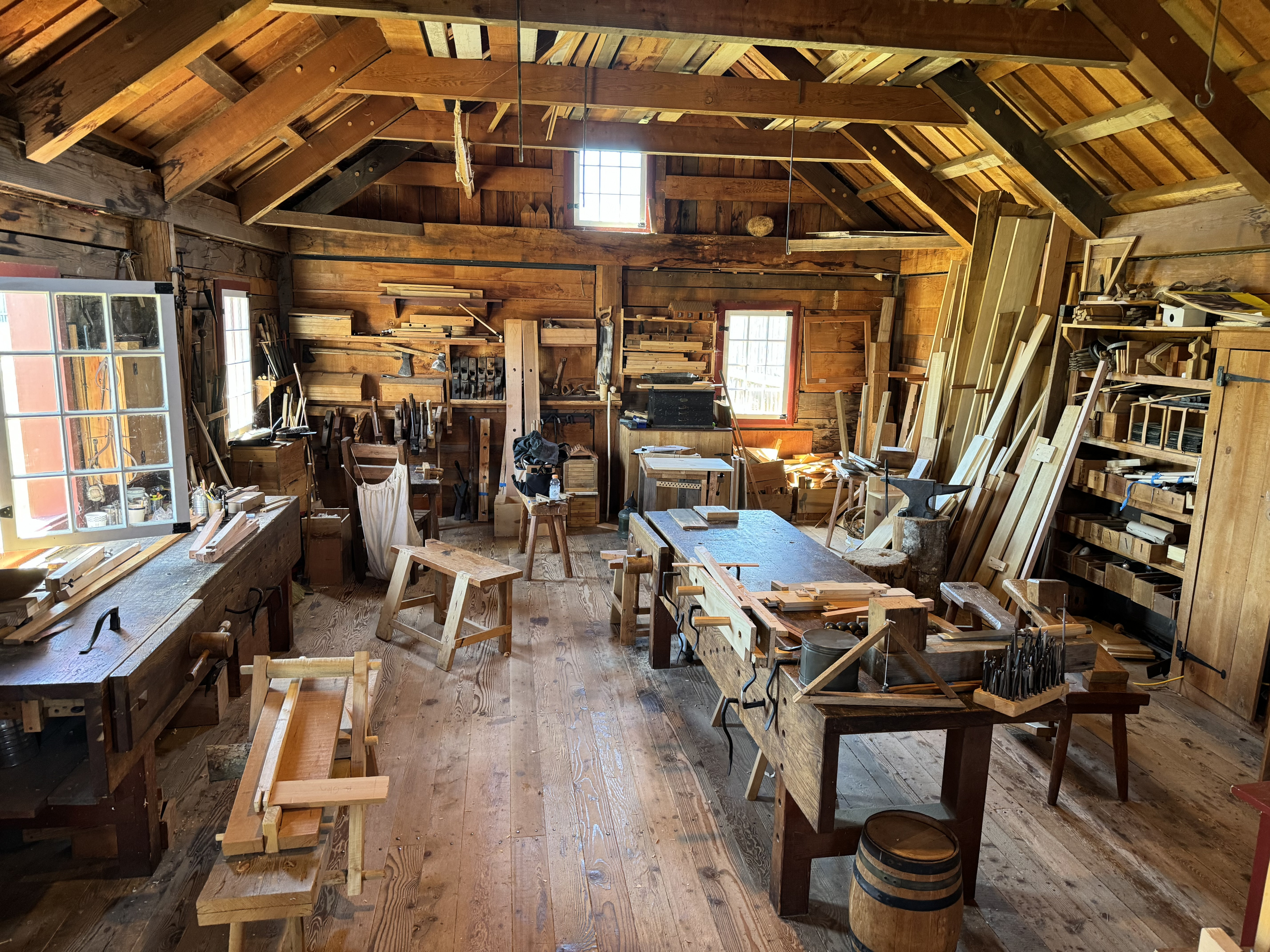
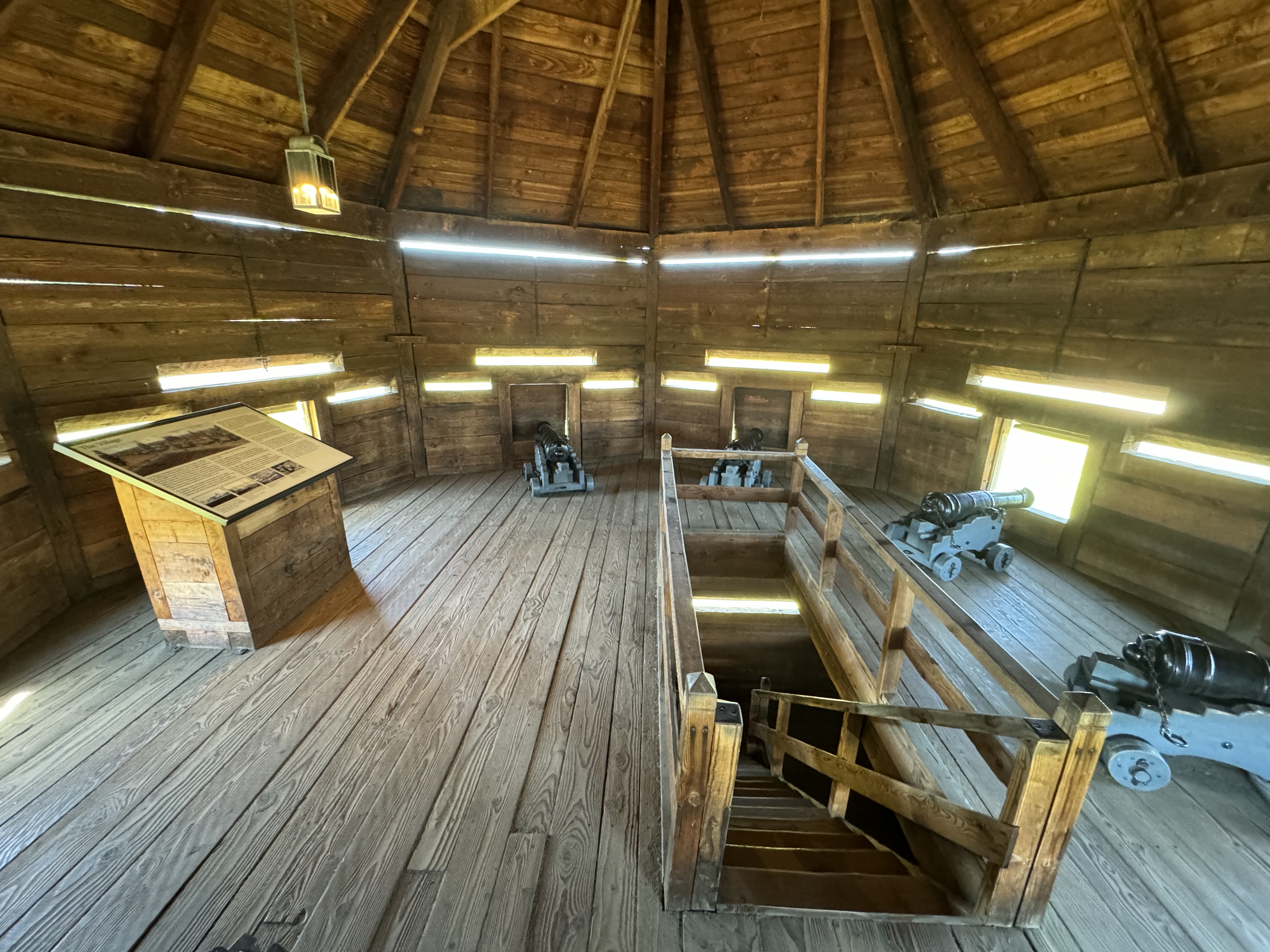
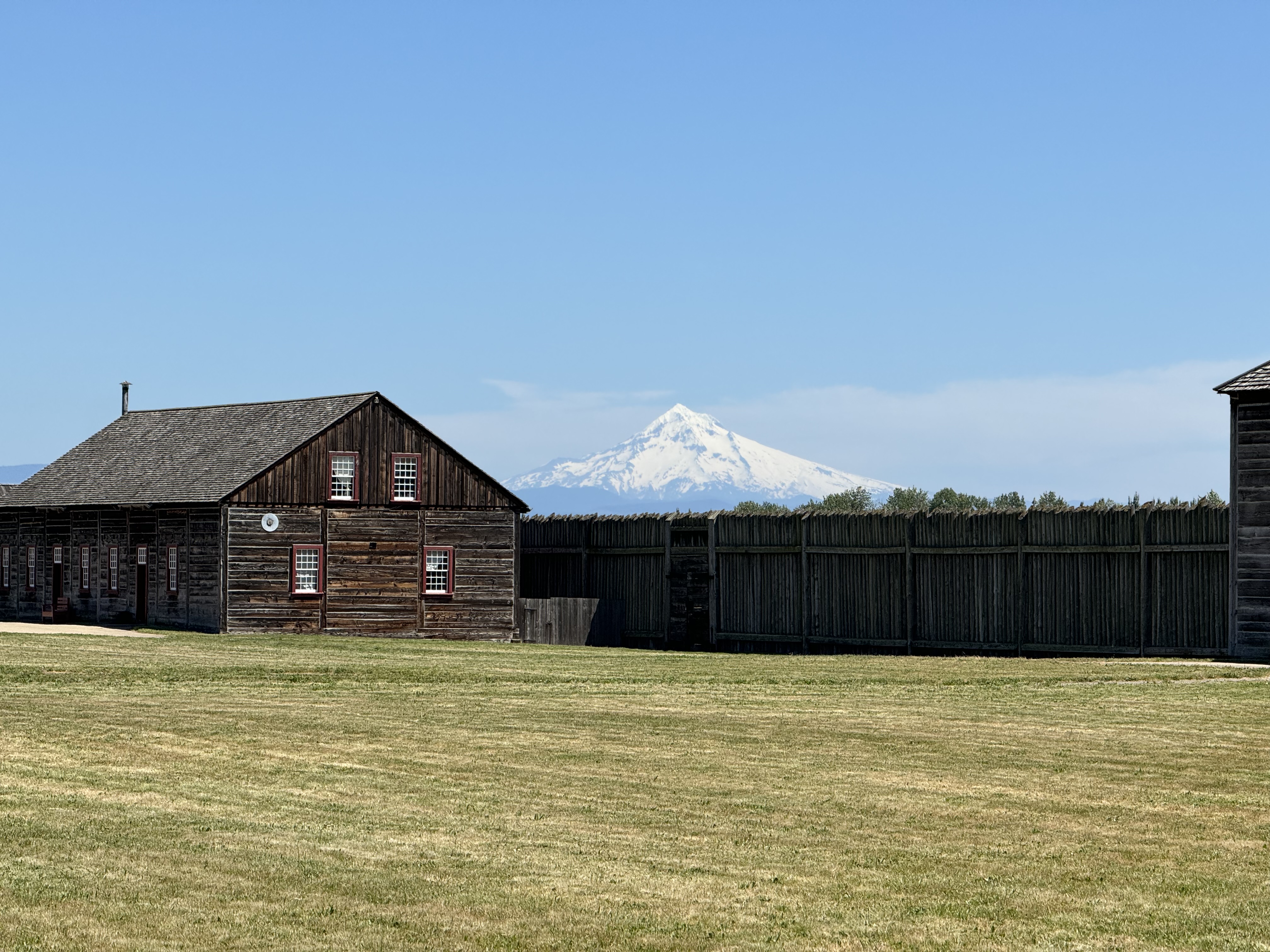
Fort Vancouver is a reconstructed 19th-century fur trading post on the north bank of the Columbia River in Vancouver, Washington, across the river from Portland. From 1825 to 1860 it was the headquarters of the Hudson's Bay Company's Columbia Department, and today it is part of the Fort Vancouver National Historic Site, run by the National Park Service.
The fort was founded in the winter of 1824–25 and named after Captain George Vancouver. Sir George Simpson, who reorganised the company's trade in the region, wanted a better headquarters for the new Columbia District than Fort George at the river's mouth. The first post stood on a bluff to the northeast; in 1829 it was moved closer to the river, to its present site. For many years it was run by Chief Factor John McLoughlin.
The fort was the hub of the regional fur trade. Goods from London arrived by sea or overland via the York Factory Express and were traded with Indigenous peoples for furs, many of which went on to Canton (Guangzhou) in exchange for Chinese goods bound for Britain. At its peak the fort oversaw 34 outposts, 24 ports, six ships and some 600 employees. Next to it grew Kanaka Village, home to company workers, among them Hawaiians.
After the Oregon Treaty of 1846 the area became American, and in 1849 Vancouver Barracks, the first U.S. Army post in the Pacific Northwest, was set up beside the fort. The company left for British Columbia in 1860, and by 1866 fire had destroyed the fort and the village.
The site became a U.S. National Monument in 1948 and the Fort Vancouver National Historic Site in 1961. In 1996 a 366-acre (1.48 km²) area including Kanaka Village, the barracks and the riverfront became the Vancouver National Historic Reserve.
The stockade and its buildings have been rebuilt on the original site, guided by archaeology. The bakery demonstrates how ship's biscuit was made, and there is a blacksmith shop, a carpenter's shop with its tool collection, and the kitchen where daily meals were cooked. Officers Row, lined with army officers' houses, is nearby, and the Land Bridge, a pedestrian bridge over the highway, links the fort to the Columbia riverfront.
The neighbouring Pearson Field, one of the oldest operating airfields in the United States, is home to the Pearson Air Museum. On 20 June 1937 the Soviet ANT-25 of Valery Chkalov, Georgy Baidukov and Alexander Belyakov landed here after a nonstop flight from Moscow over the North Pole; a monument by the airfield marks the event.
The park grounds are open daily from dawn to dusk, while the fort and museums keep shorter hours (usually Tuesday to Saturday) and close on major holidays; check the National Park Service website for the current schedule before you go.
No votes yet


No reviews yet. The first one helps the next travellers.