

Alexander Monastery (Suzdal)
0.4 km1.3k2

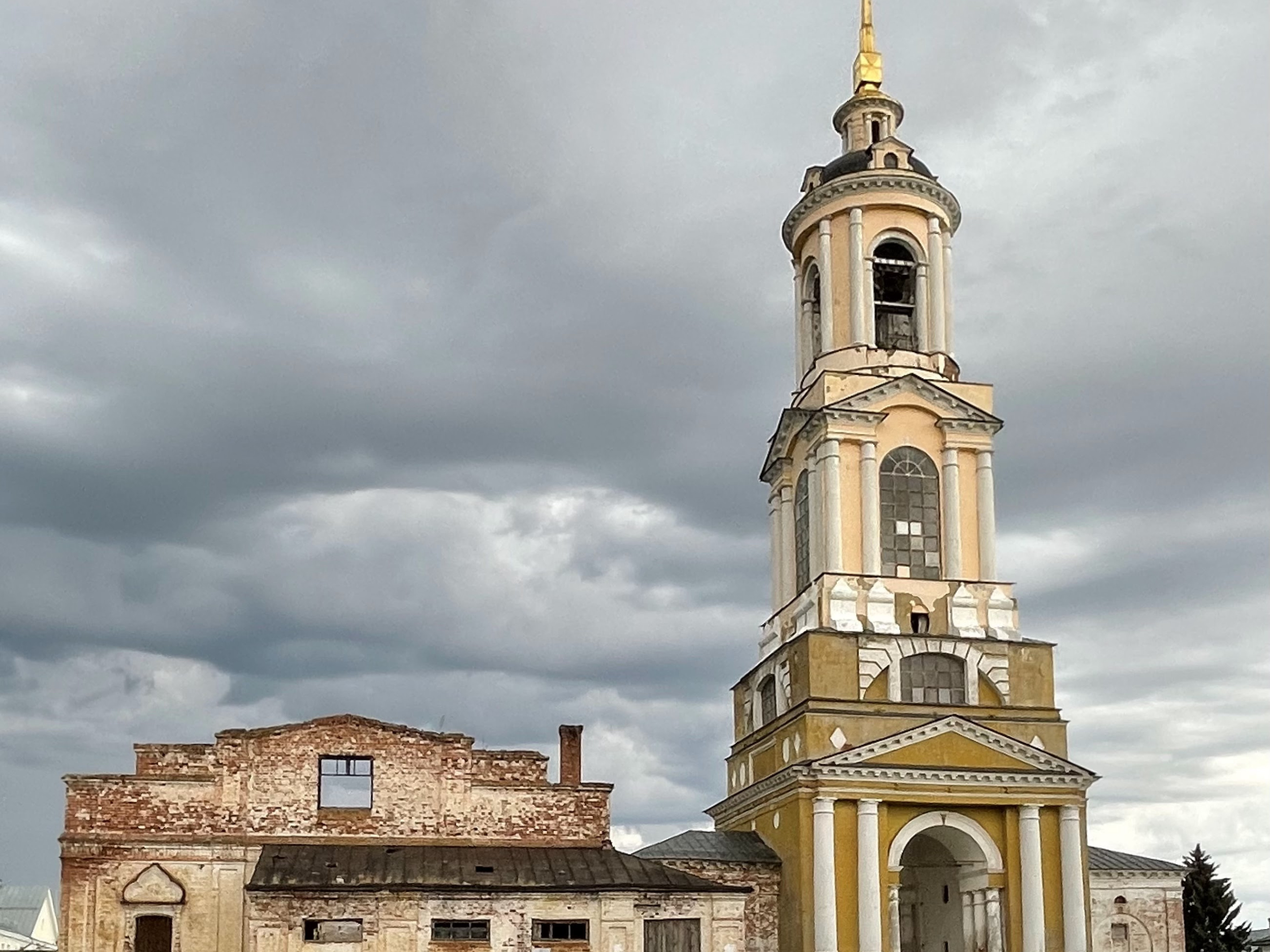

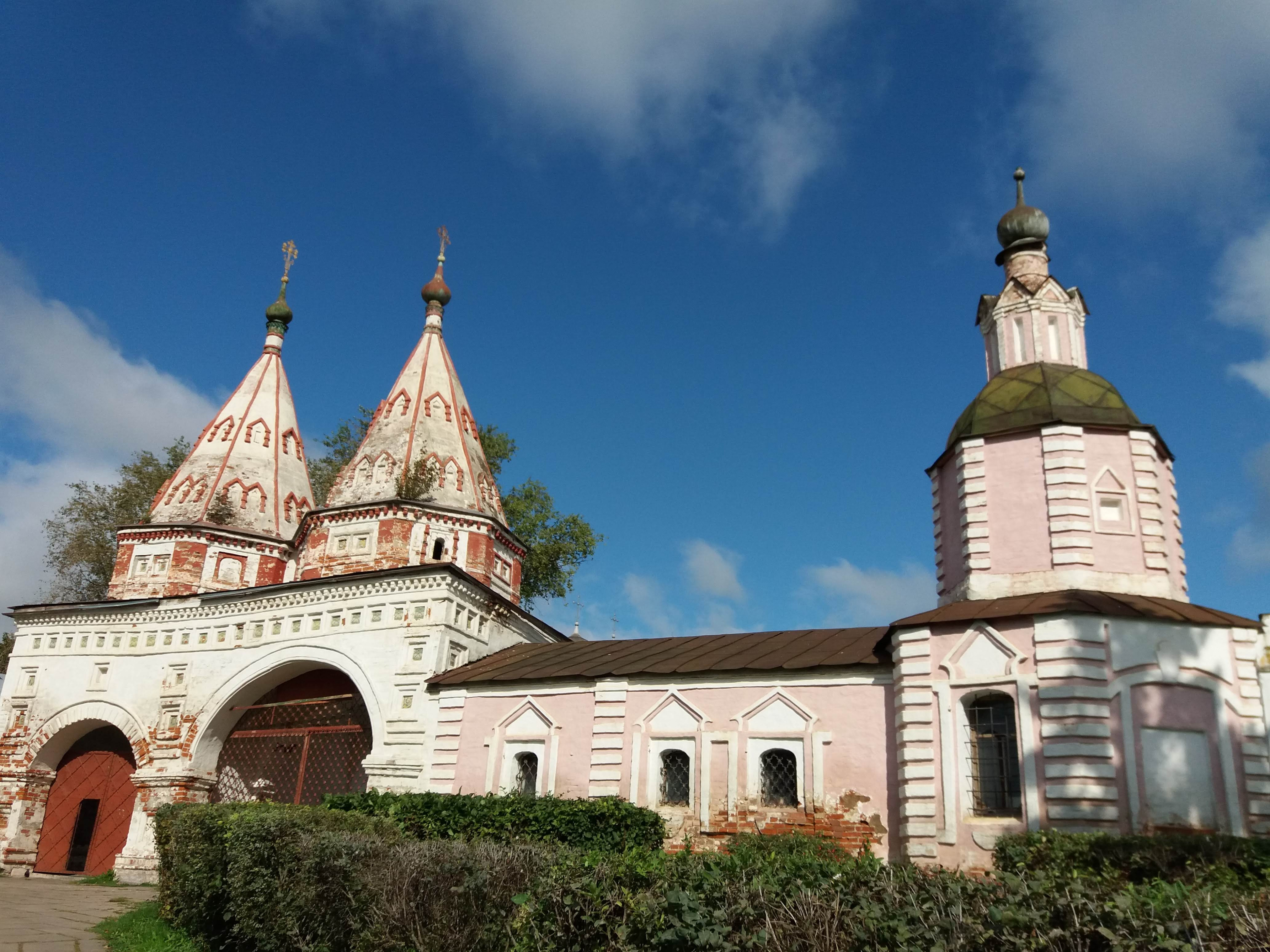
The Deposition of the Robe Convent is one of the oldest convents in Russia, located in the historic center of Suzdal. It is one of the few Russian monasteries founded before the Mongol invasion.
The convent was founded in 1207 by Bishop John of Suzdal; at the time it stood outside the city's fortifications, within the posad (trading settlement). The earliest buildings were made of wood and have not survived.
A special place in the convent's history belongs to the nun Euphrosyne of Suzdal, whose spiritual deeds brought fame to the convent (according to Wikipedia).
In 1923 the convent was closed, and its buildings were used for various purposes during the Soviet era. In 1999 the ensemble was handed over to the Russian Orthodox Church, and the convent reopened as a women's monastery.
The present ensemble took shape mainly in the 16th-17th centuries, although the buildings of the convent's northern section were lost in Soviet times. The surviving Deposition of the Robe Cathedral was built in the early 16th century. At the end of the 17th century, Suzdal master builders erected the famous twin-tented Holy Gate (1688, according to Wikipedia) and added a richly decorated porch to the cathedral's western side. In the early 19th century, in 1813-1819, the 72-metre Euphrosyne Bell Tower appeared, and in 1882 the ensemble's last major building, the Sretenskaya Refectory Church.
The Deposition of the Robe Cathedral, the Holy Gate and the Euphrosyne Bell Tower are a federal cultural heritage site (according to Wikipedia). They are monuments of Russian architecture that draw tourists and pilgrims alike.
No votes yet


No reviews yet. The first one helps the next travellers.