

Putorana State Nature Reserve
1.2k km2k4
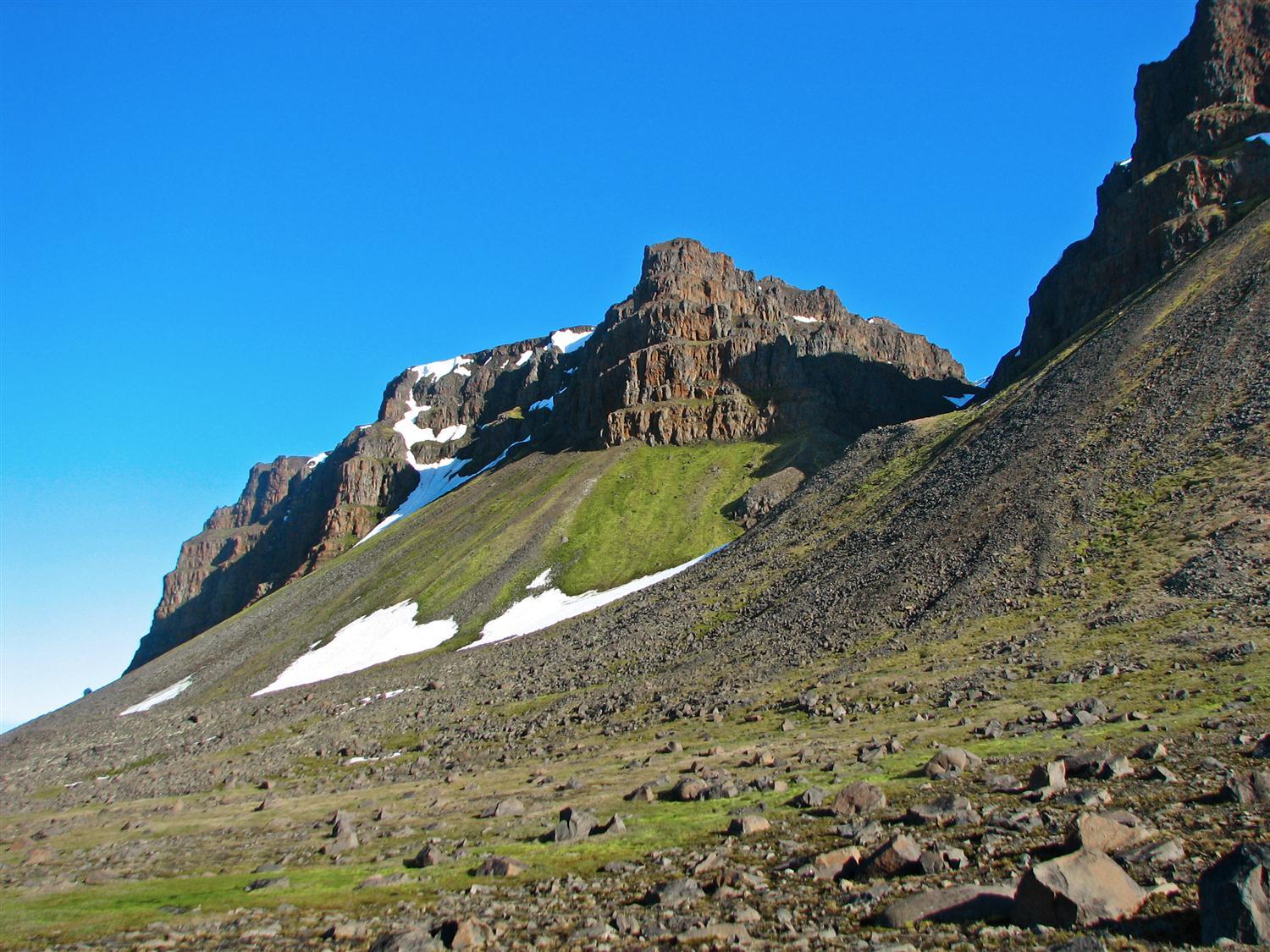
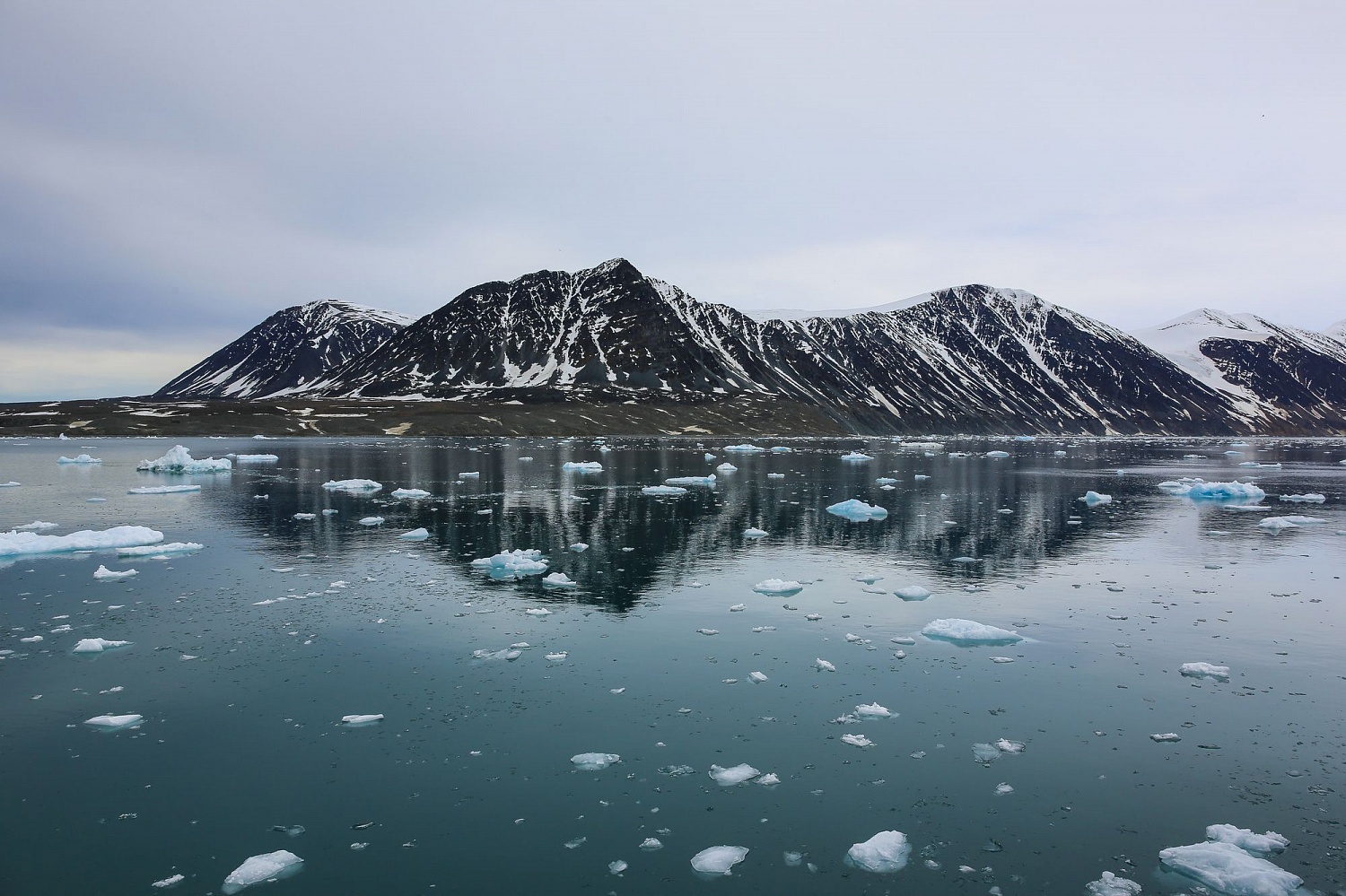
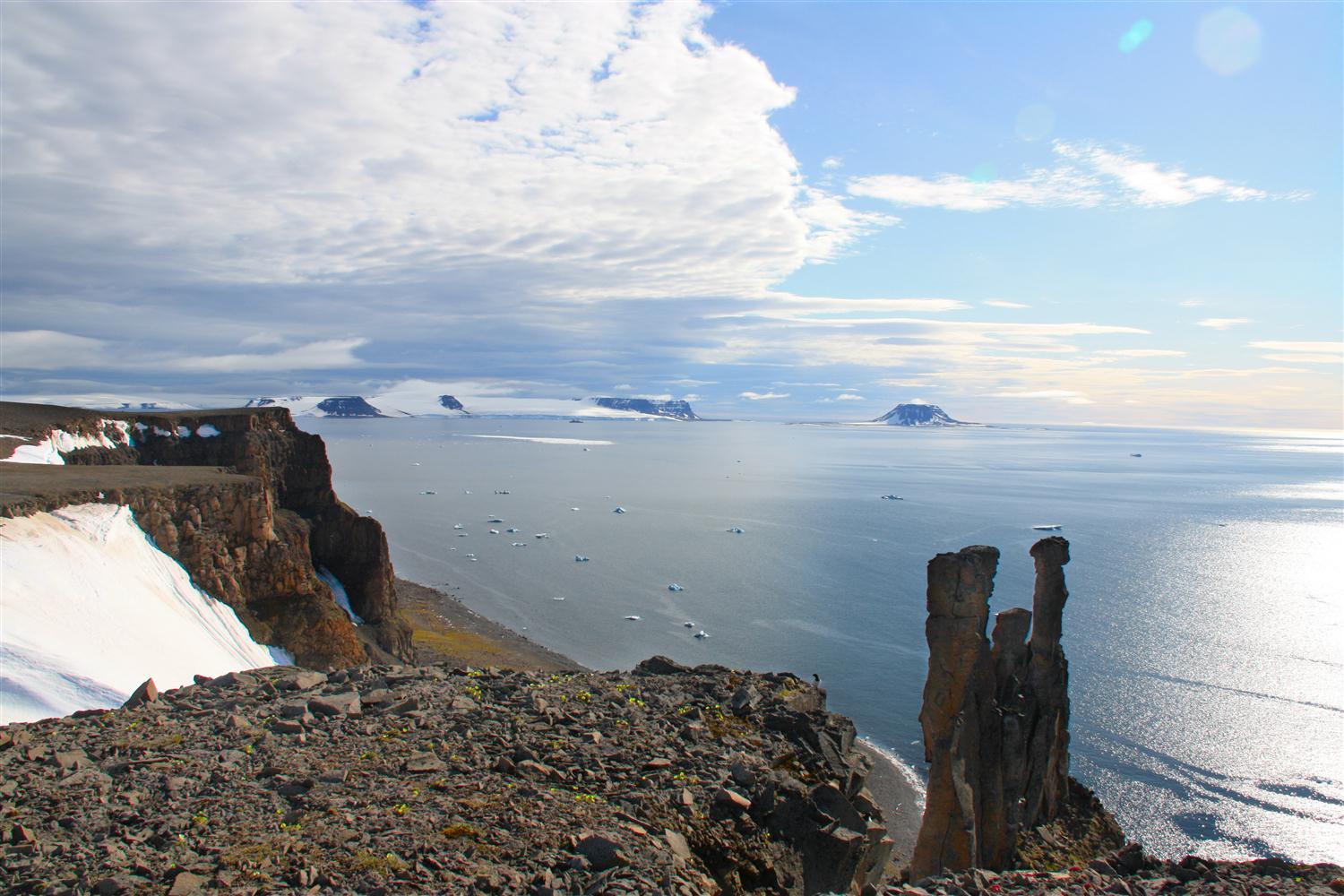
Russian Arctic National Park is a protected natural area in the northern part of the Novaya Zemlya archipelago and the Franz Josef Land archipelago, in Arkhangelsk Oblast, Russia. It is the northernmost national park in the country, and, since Franz Josef Land was added to it, also the largest by area.
The park was established on 15 June 2009, with an initial area of 1,426,000 hectares — 632,090 hectares of land and 793,910 hectares of sea. In 2016, a government decree added the Franz Josef Land archipelago, previously a separate federal wildlife refuge, together with its adjoining 12-nautical-mile sea zone — about 1.6 million hectares. After this expansion the park's total area grew to roughly 8.8 million hectares, making Russian Arctic National Park the largest protected natural area in Russia.
The park is home to polar bears, bowhead whales, arctic foxes, walruses, harp seals and ringed seals, as well as one of the largest bird colonies in the Northern Hemisphere. Vegetation is sparse, limited to mosses, lichens and a few flowering plants typical of the Arctic tundra.
The park preserves traces of the Russian exploration of the Arctic dating back to the 16th century: campsites and sites linked to the expeditions of Vladimir Rusanov and Georgy Sedov, as well as the voyages of Willem Barents and Russian Pomors. Between 2012 and 2015, more than 100,000 tonnes of scrap metal and waste left behind by Soviet-era military and polar stations were removed from the islands of Franz Josef Land.
The park remains a site for eco-tourism and scientific research — a rare example of a territory where the harsh Arctic environment survives almost untouched.
No votes yet


No reviews yet. The first one helps the next travellers.