

Ship's cannon monument (Zapolyarny)
9.7 km1.4k2


The Kola Superdeep Borehole (SG-3) is the deepest artificial point on Earth, reaching 12,262 metres (12.2 km / 40,230 ft). It lies on the Kola Peninsula in Murmansk Oblast, Russia, 10 km west of the town of Zapolyarny and 15 km east of the settlement of Nikel. Drilling ran from 24 May 1970 to 1994. The borehole holds the Guinness World Record for the deepest human penetration of the Earth's crust, a record that still stands. Coordinates of the wellhead: 69.396° N, 30.608° E. The site is now officially closed and unguarded; the grounds and the wellhead itself can still be visited.
Unlike oil and gas wells, SG-3 was never meant to extract resources — it was a purely scientific project. The goal was to study the structure of the Earth's crust in rocks of the ancient Baltic Shield, some 3 billion years old, and to compare real rock samples with the model built from seismic data. According to several sources, drilling began in 1970, the year of the 100th anniversary of Lenin's birth.
The project's chief scientist throughout was David Guberman. Drilling started on 24 May 1970 with the Uralmash-4E rig, later replaced by the purpose-built Uralmash-15000. On 6 June 1979 the hole surpassed the previous world depth record of 9,583 metres, held by the Bertha Rogers well in the United States. By 1983 it had reached 12,000 metres, but the final 262 metres took more than another decade: a 1984 accident tore off part of the drill string, forcing crews to re-drill a new branch from the 7 km mark.
At 12 km the rock temperature turned out to be far higher than predicted — sources give figures of 180 to 220 °C against a forecast of 100 °C. Under that heat and pressure the rock behaved less like solid stone and more like a plastic mass. Discoveries included microscopic plankton fossils at a depth of 6–7 km, where none were expected, numerous fractures filled with mineralised water, and helium gas in anomalous concentrations. Not one of the geological models used to plan the project was fully confirmed — the hole kept producing surprises.
After 1983 the project ran into serious technical trouble: at depth the rock turned "plastic," the borehole walls collapsed inward, and drill strings repeatedly snapped, forcing drilling to restart from shallower points several times. In 1994 the project was halted for good — going any deeper was not possible with the technology of the time.
In 1989 the American broadcaster Trinity Broadcasting Network aired a story calling the borehole the "Well to Hell," based on a report from a Finnish newspaper. According to the legend, at a depth of 14.5 km the drill broke into a void with a temperature of 1,100 °C, and a microphone lowered into the hole recorded "the screams of the damned." This is an urban legend with no scientific support: the real depth of the borehole is 12,262 m, and the "recording of screams" turned out to be an ordinary sound collage. Even so, the "Well to Hell" myth made the Kola borehole famous worldwide.
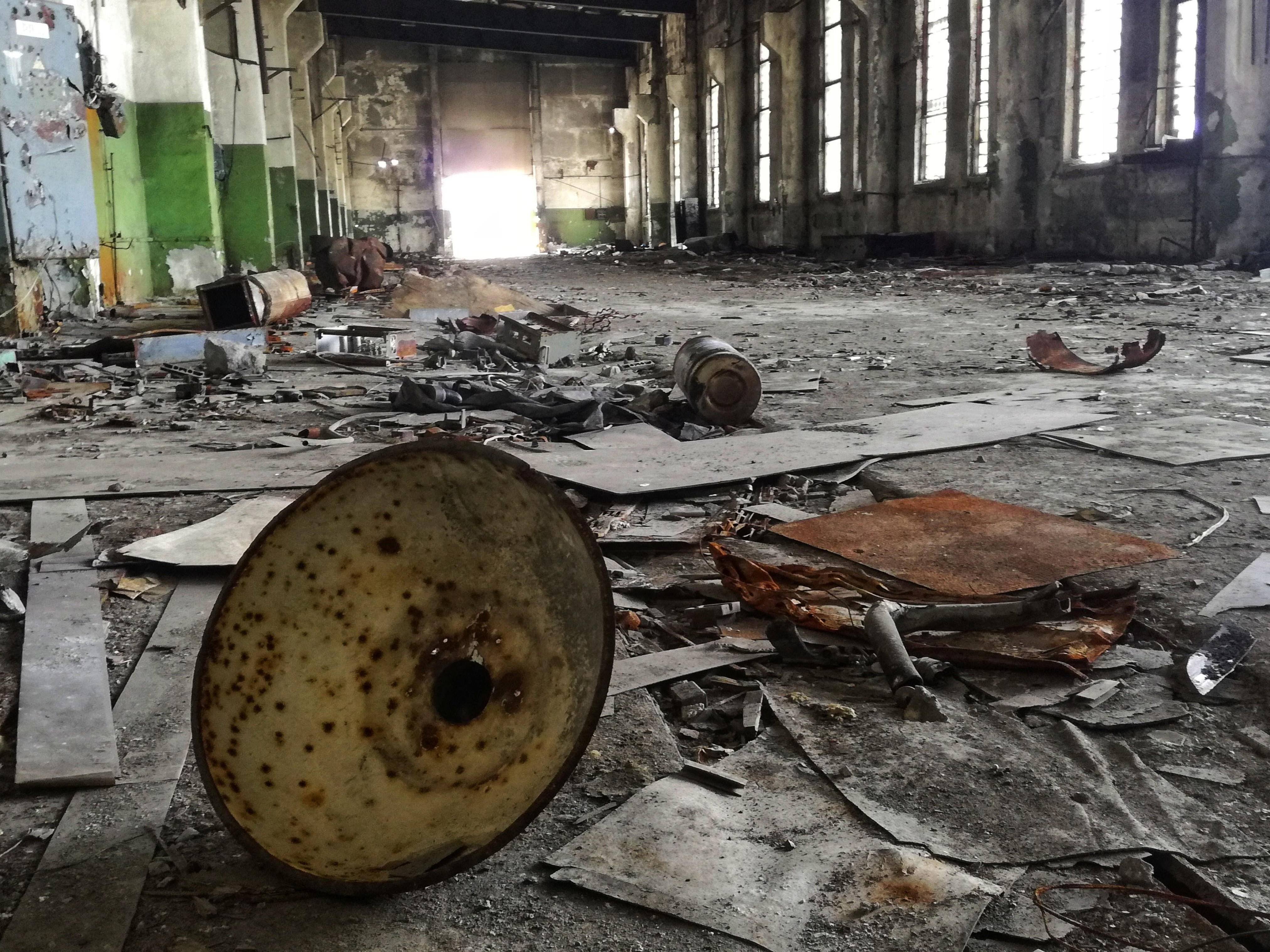
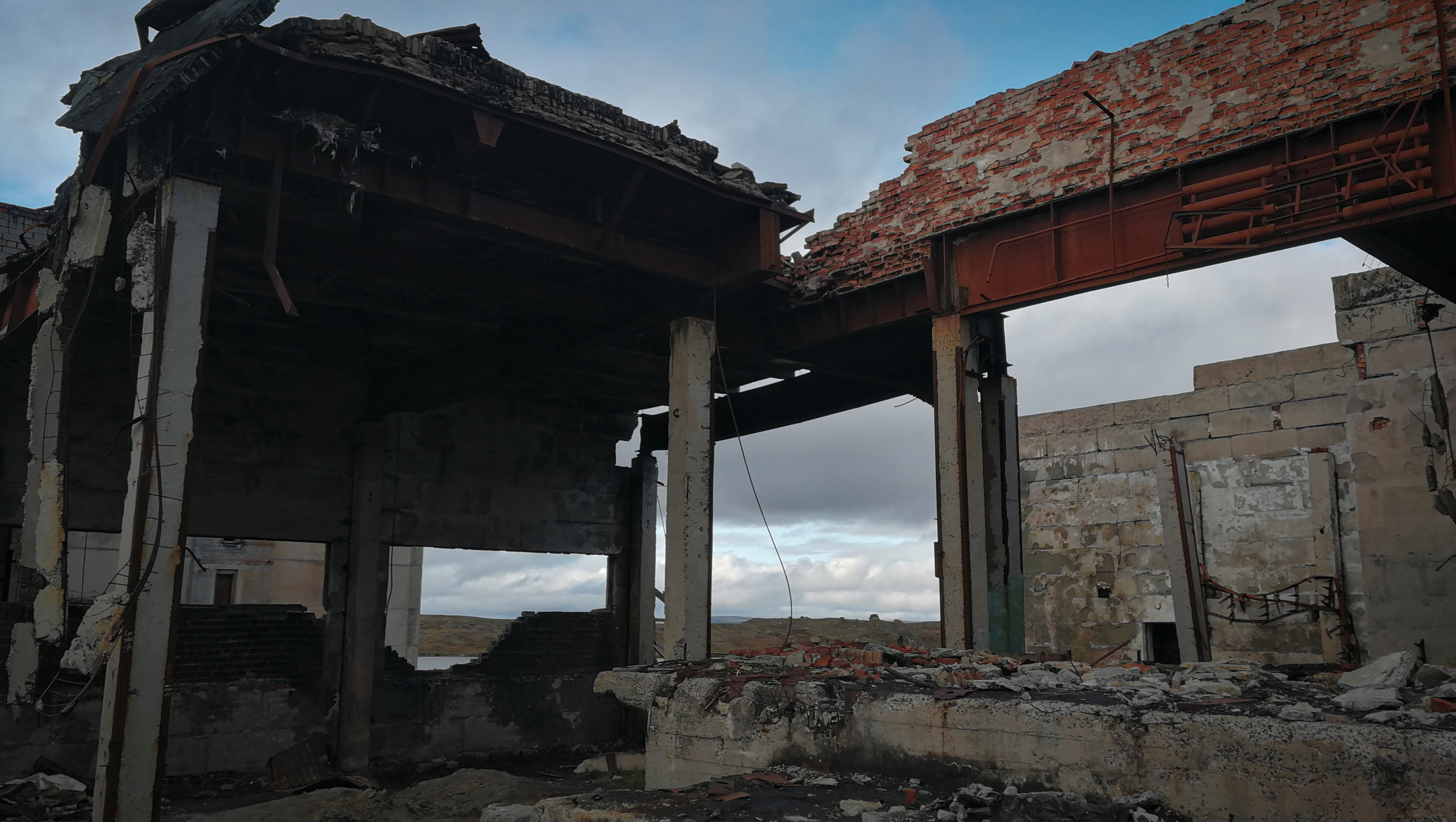
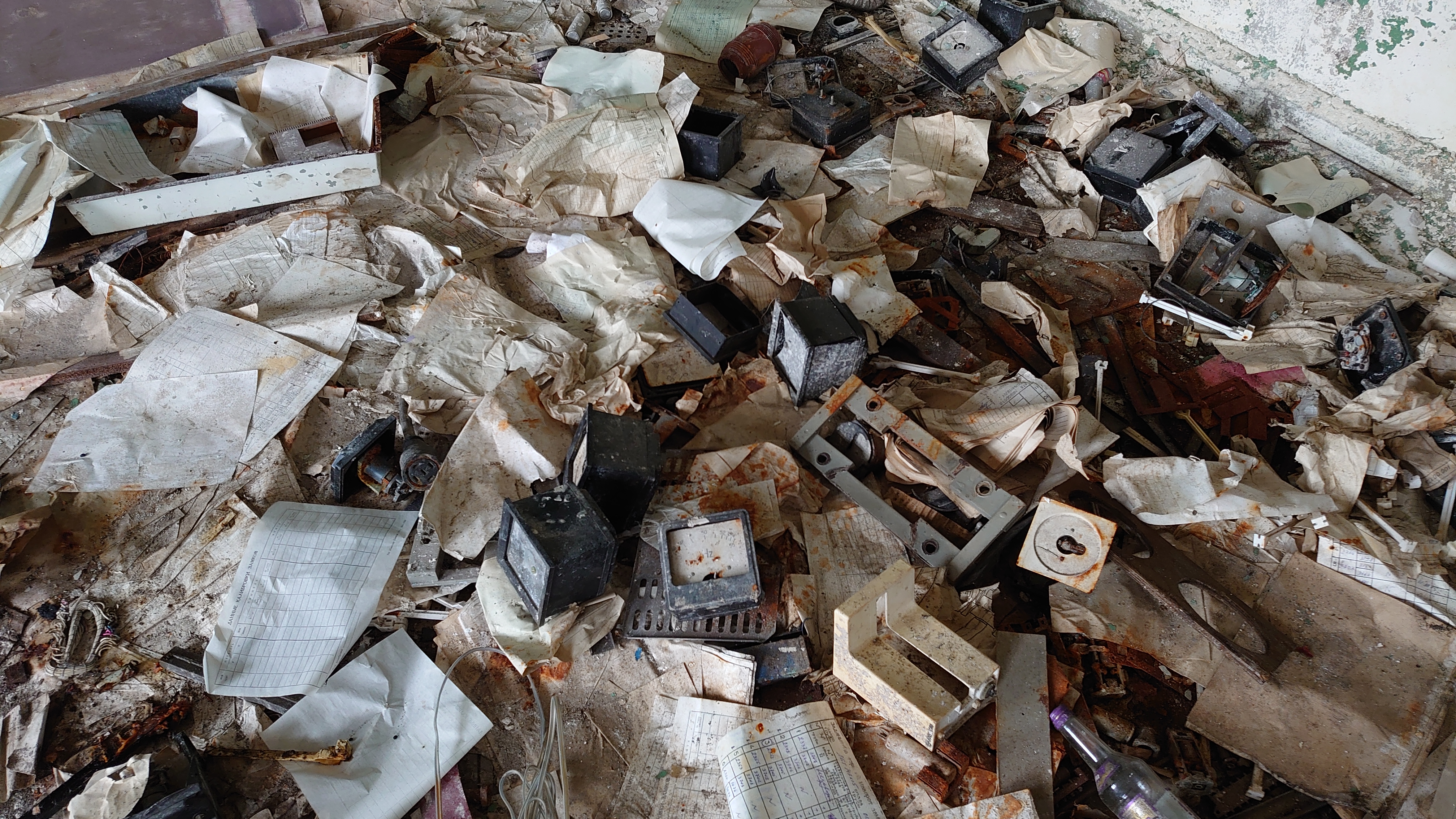
In 2008 the research and production centre attached to the borehole was shut down as unprofitable. Its buildings are abandoned and partly ruined, and the wellhead itself is sealed with a metal cap. In 2022 volunteers from the "Clean Arctic" environmental project cleared the area around the wellhead. Authorities in Murmansk Oblast have announced plans to turn the site into a tourist attraction.
From Murmansk it is about 200 km west along the highway through Zapolyarny, then another 10 km on a dirt road from Zapolyarny itself. The site sits in open tundra with no tourist infrastructure.
No votes yet


No reviews yet. The first one helps the next travellers.