

Church of St. Michael the Archangel (Krasno)
5.00.2 km2.4k4
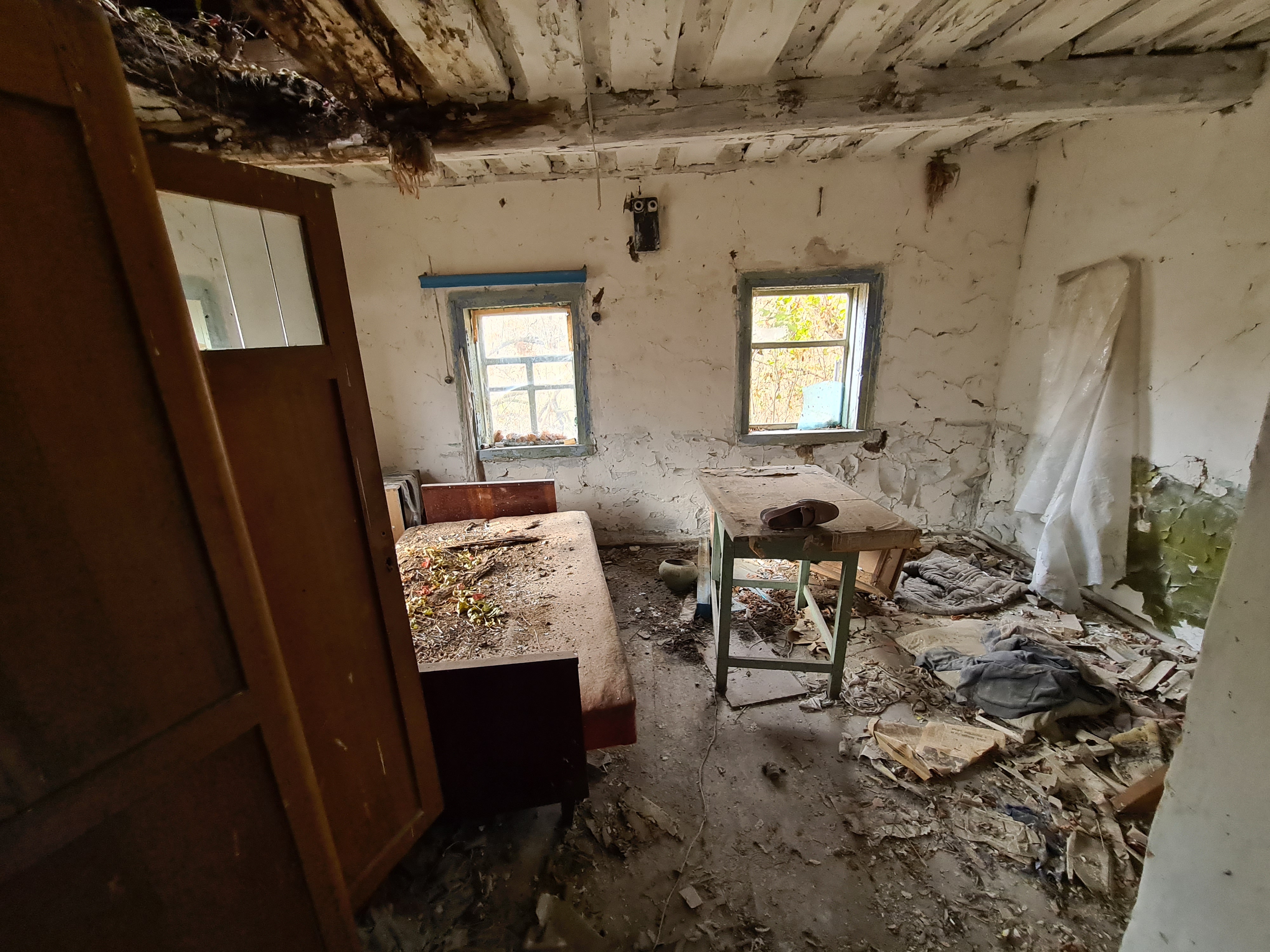
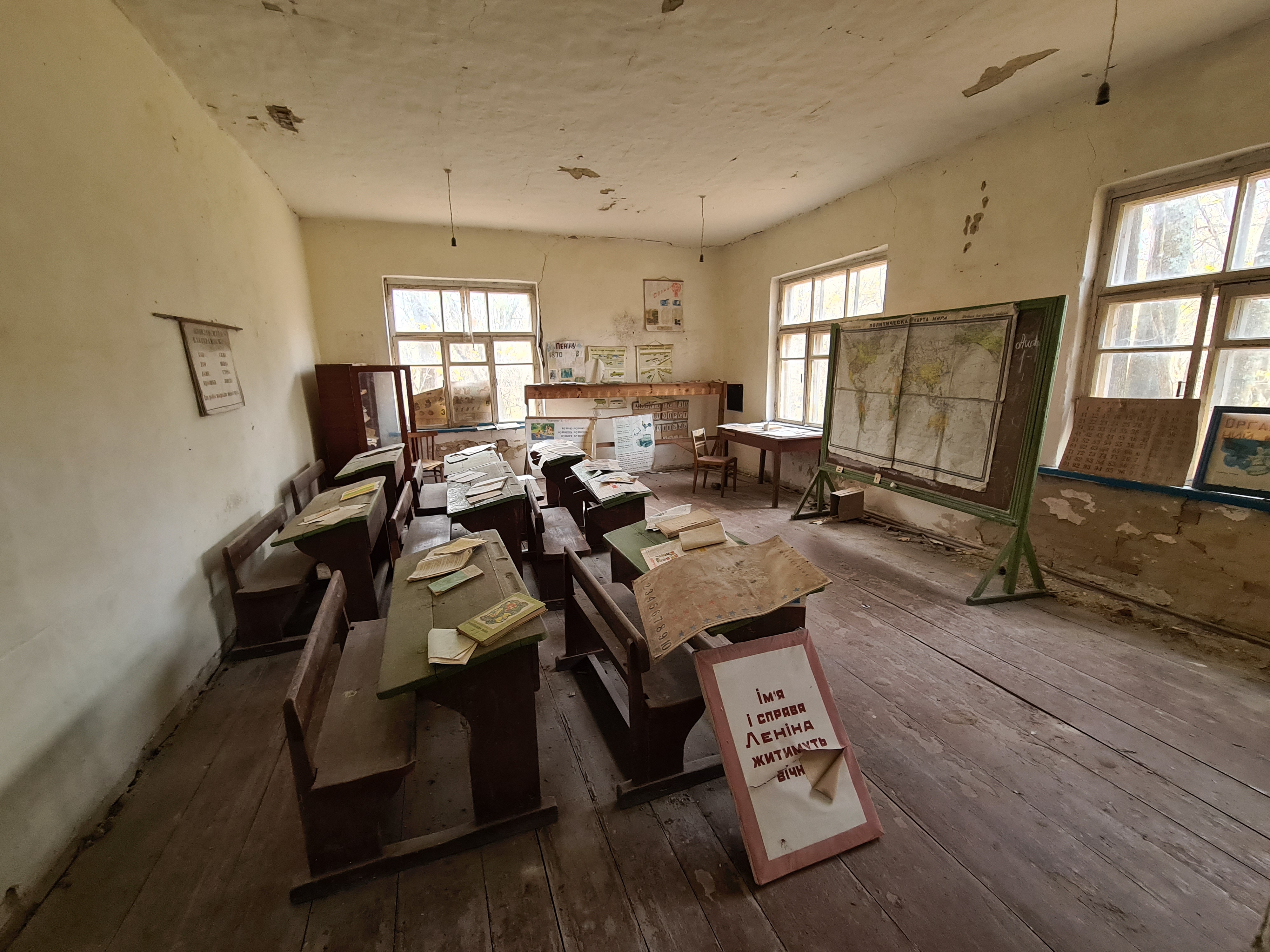

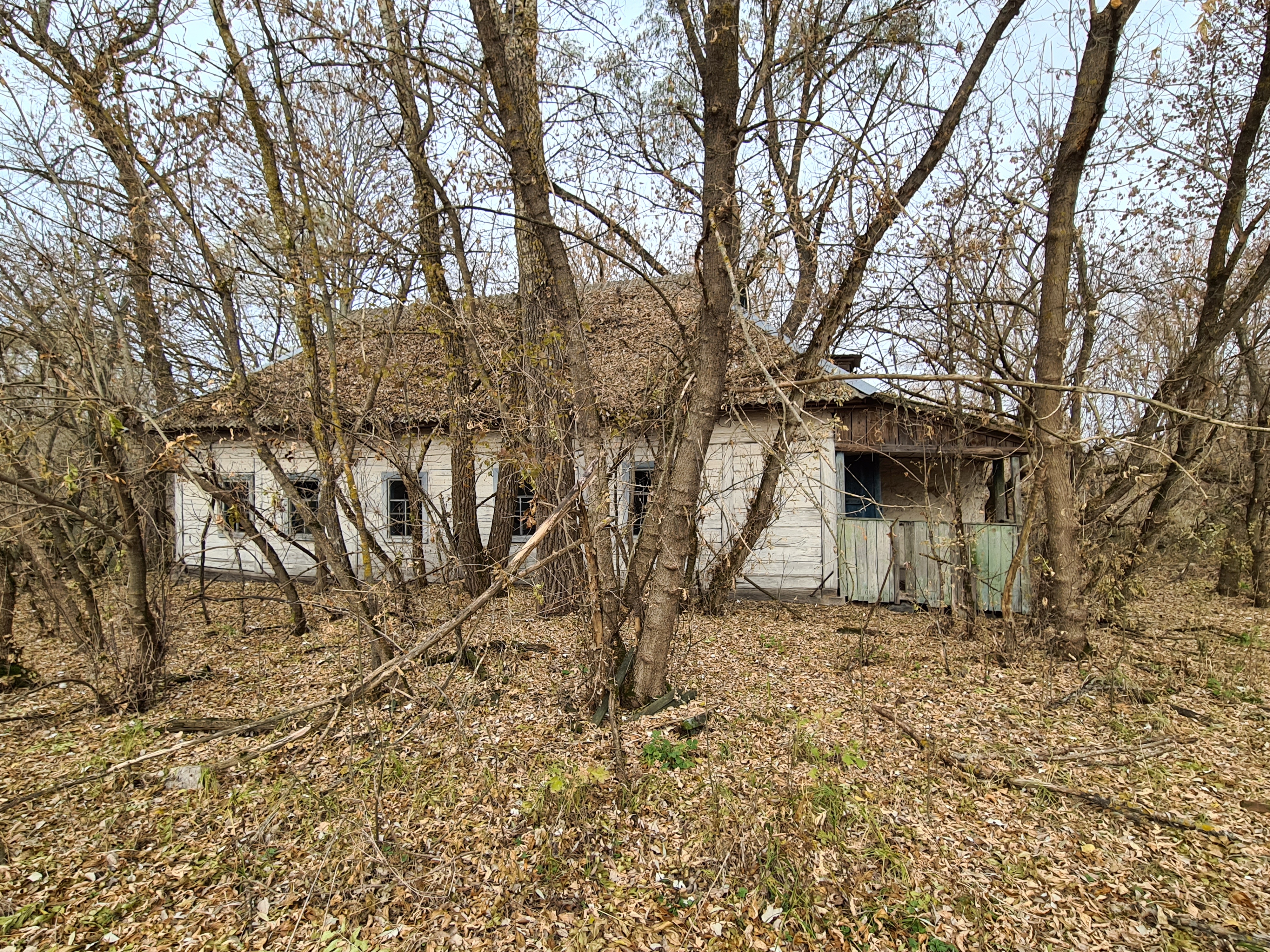

Krasne (Krasno in Russian) is an abandoned village in the Chernobyl Exclusion Zone, in the former Chernobyl district, now Vyshhorod district of Kyiv Oblast, Ukraine. It lies on the left bank of the Pripyat River, about 6 km from the Chernobyl nuclear power plant, and is considered one of the best preserved abandoned villages of Chernobyl: its houses, yards and household items have survived almost untouched.
Krasne is one of the oldest settlements of Polesia, known since 1447. Before the accident it was a small village of wooden Polesian houses with spacious yards. About 350 people lived here; there was a school, a post office and a club, and a bus served the village.
After the explosion at reactor No. 4 on 26 April 1986 the area around the village was heavily contaminated. Residents were evacuated to Baryshivka district of Kyiv Oblast. In 1999 the village was officially struck off the register. Radiation levels here are still roughly ten times above normal.
The main sight is the wooden Church of the Archangel Michael, built of oak around 1800. It is one of only two churches that survive in the exclusion zone. The simple village interior is still in place: icons, paper calendars, embroidered towels. Radiation inside the church is noticeably lower than outdoors. According to visitors, once a year a priest comes to hold a service.
Looters did reach Krasne but did little damage. Soviet-era belongings still lie in the houses: dishes, tools, things for washing and cooking. Among the surviving buildings is a cottage from 1963, and visitors say a book from 1946 still lies on a table in one of the houses. Some objects from the zone's villages were taken to a museum in the town of Chernobyl.
After decades without people, nature has returned: birds sing in the empty yards and wild animals roam the village.
A local legend is linked to the church: an icon of the Saviour stolen from it is said to have miraculously returned to its place.
Although the plant is only 6 km away, there is no direct road: the village and the station are separated by Lake Starik, an oxbow of the Pripyat. The route goes through the Paryshiv checkpoint, about 30 km of broken dirt road. Entry to the zone is only with a permit and an official guide. The church is reached on foot from the road.
No votes yet


No reviews yet. The first one helps the next travellers.