

Заброшенный медеплавильный завод
5.012 km9.4k1
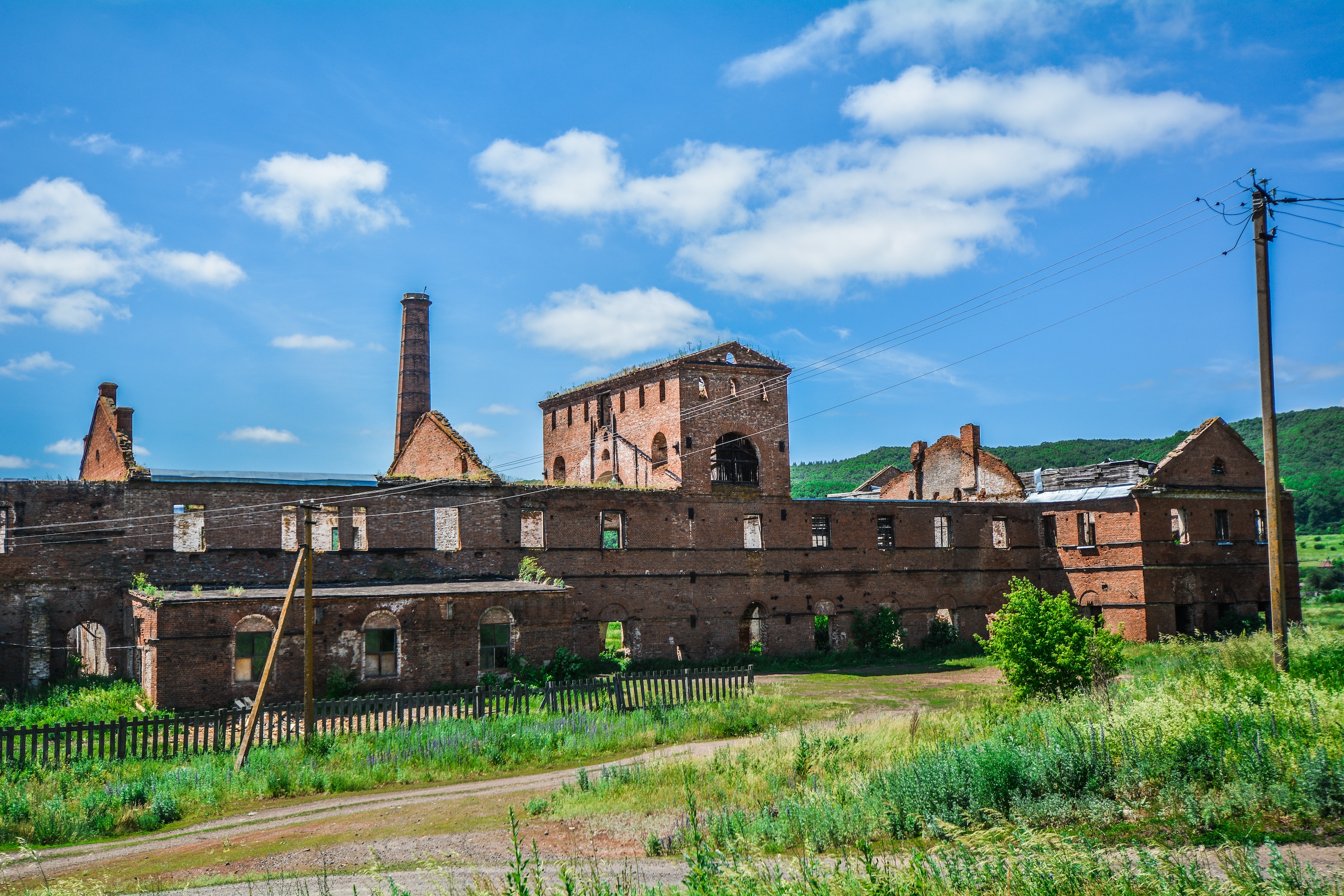
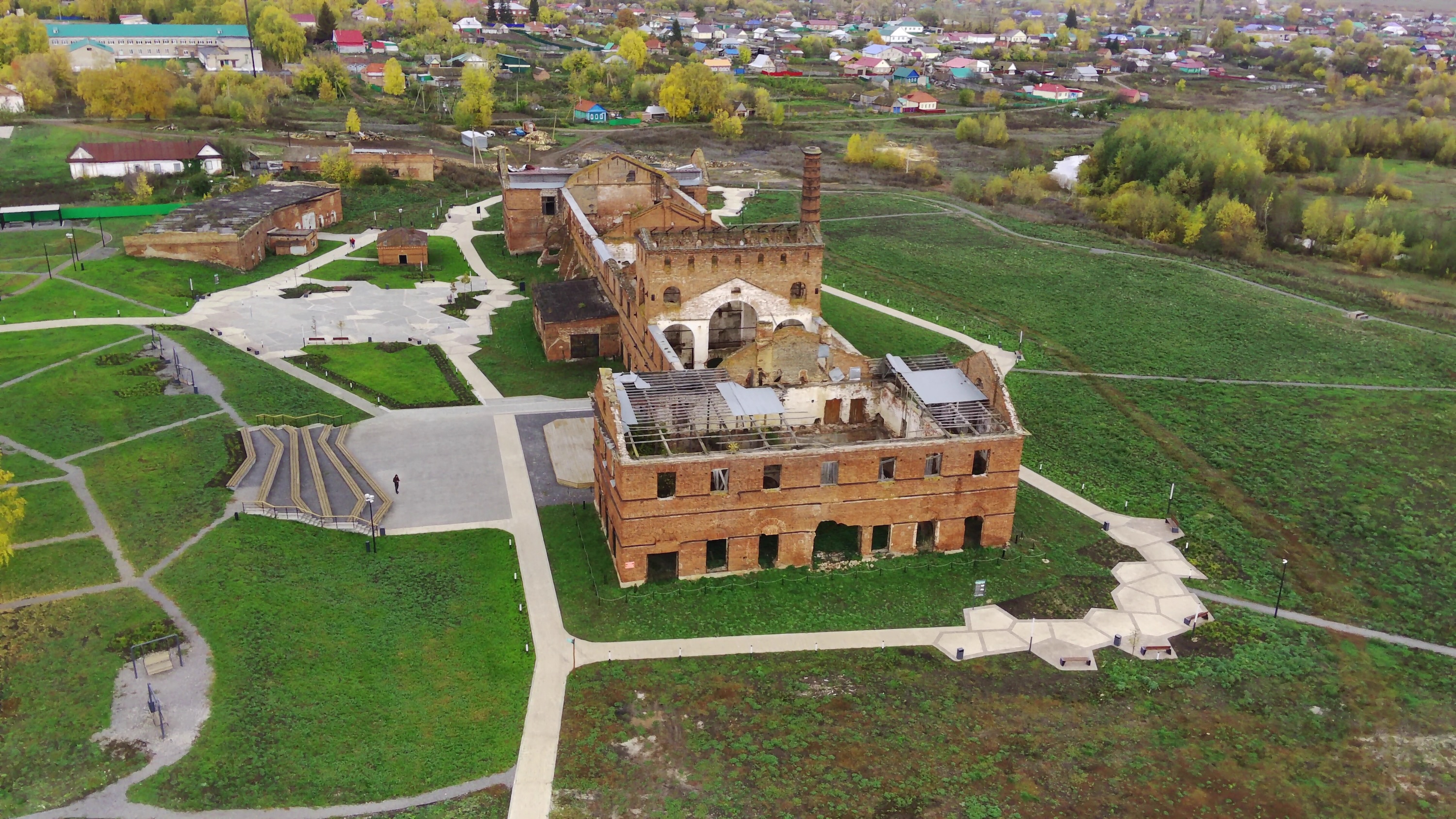
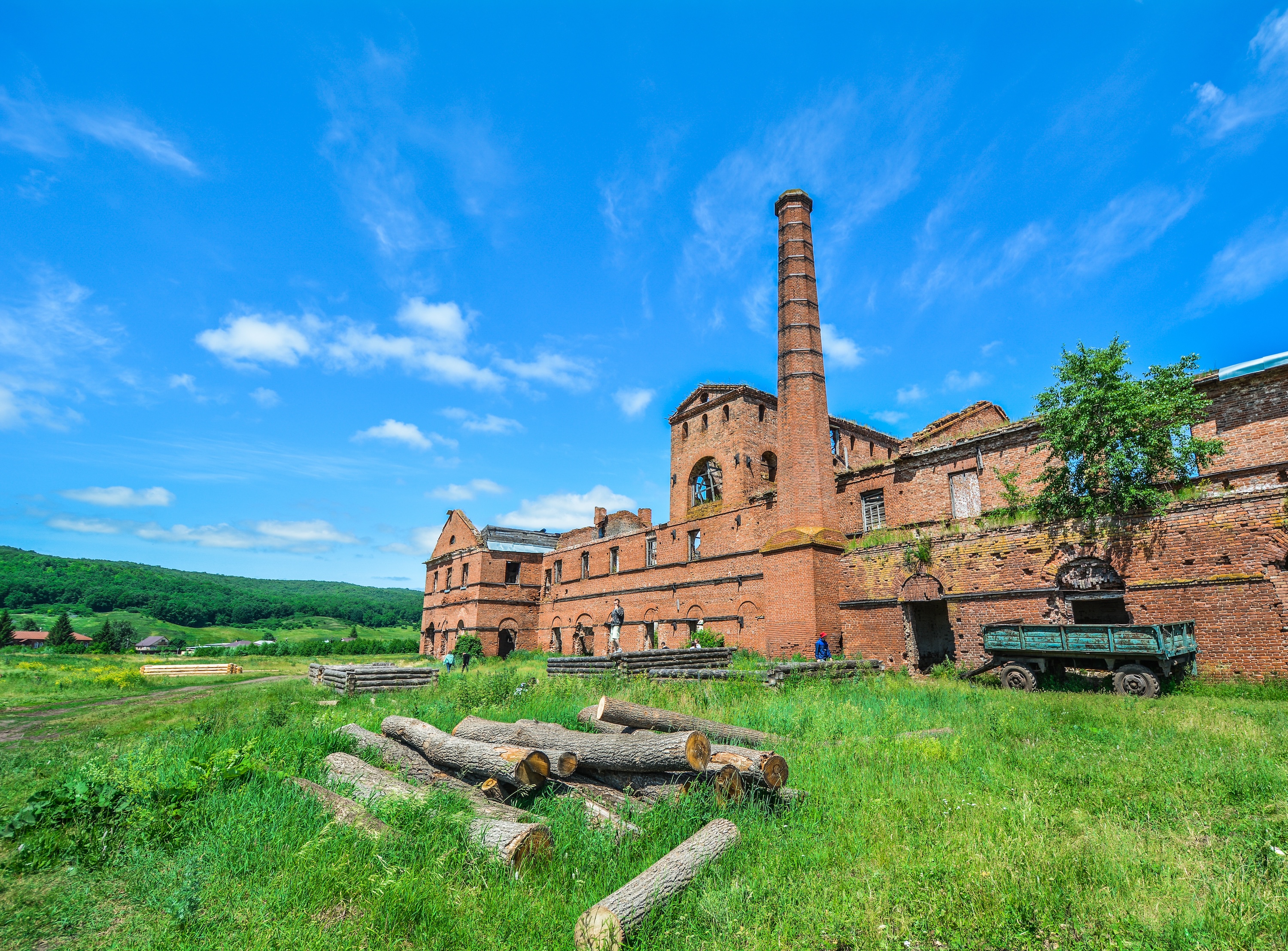


The Voskresensky Copper Smelter is a ruined 18th-century copper works, the oldest in the Southern Urals, in the village of Voskresenskoye, Meleuzovsky District, Republic of Bashkortostan, Russia, on the Tor River. It was founded in 1745 by the merchant Ivan Borisovich Tverdyshev and smelted copper for Russia's military needs; during Pugachev's Rebellion it was seized by the rebels and served as their arsenal, and it finally closed in 1902.
In 1734 an expedition led by Ivan Kirillov surveyed the banks of the Voskresenka River near present-day Tabynsk and recommended building a metallurgical works there. Construction began in 1736, but in June 1737, during the Bashkir uprising of 1735–1740, the buildings were destroyed and the works was never finished.
In 1744 the unfinished works was handed over to the merchant Tverdyshev. Together with his partner Ivan Myasnikov he built a works of the same name on a new site on the Tor River, 96 km from the original one, using equipment from the old works. It started production in 1745 and became one of the largest copper smelters in the Urals: over a century and a half it produced about 1.7 million poods of pure copper, up to 18,000 poods a year at its peak.
During Pugachev's Rebellion of 1773–1774 the works went over to the rebels and became their arsenal: between November 1773 and March 1774, 14–15 copper cannons and their shot were cast here. The works was looted, and on 8 June 1774 the rebels burned it down; production resumed only in the summer of 1776.
In the 19th century the works changed owners and output several times. In 1870 it was bought by an English company, and in 1891 it passed to V. A. Pashkov. Copper smelting stopped in 1895, when the Kargaly mines that supplied the ore were exhausted, and from 1896 the works produced pig iron. In 1902 it was closed because of the industrial crisis and falling prices.
Stone ruins stand on the site: fragments of rubble-stone workshop walls with arched openings, remains of furnaces and of the dam on the Tor River, and underground passages. The ruins stand on the bank of the works' pond formed by the dam; overgrown with grass and shrubs, from a distance they look like the remains of a castle.
The village also has the stone Church of the Resurrection, built over 18 years and completed in 1788, and a branch of the Nesterov Bashkir State Art Museum.
Ivan Borisovich Tverdyshev (died 1773) was a merchant from Simbirsk and one of the largest mine and factory owners of the Southern Urals. With his brothers and Ivan Myasnikov he founded several works, among them Voskresensky, Beloretsk, Katav-Ivanovsky and Sim. A bronze monument to him was unveiled in Beloretsk in 2012.
Voskresenskoye lies 26 km north-east of Meleuz, the district centre and the nearest railway station. The ruins of the works are on the river bank within the village, next to Sovetskaya Street.


No reviews yet. The first one helps the next travellers.