

Krakovka Bay (Yuzgou)
2.4 km4
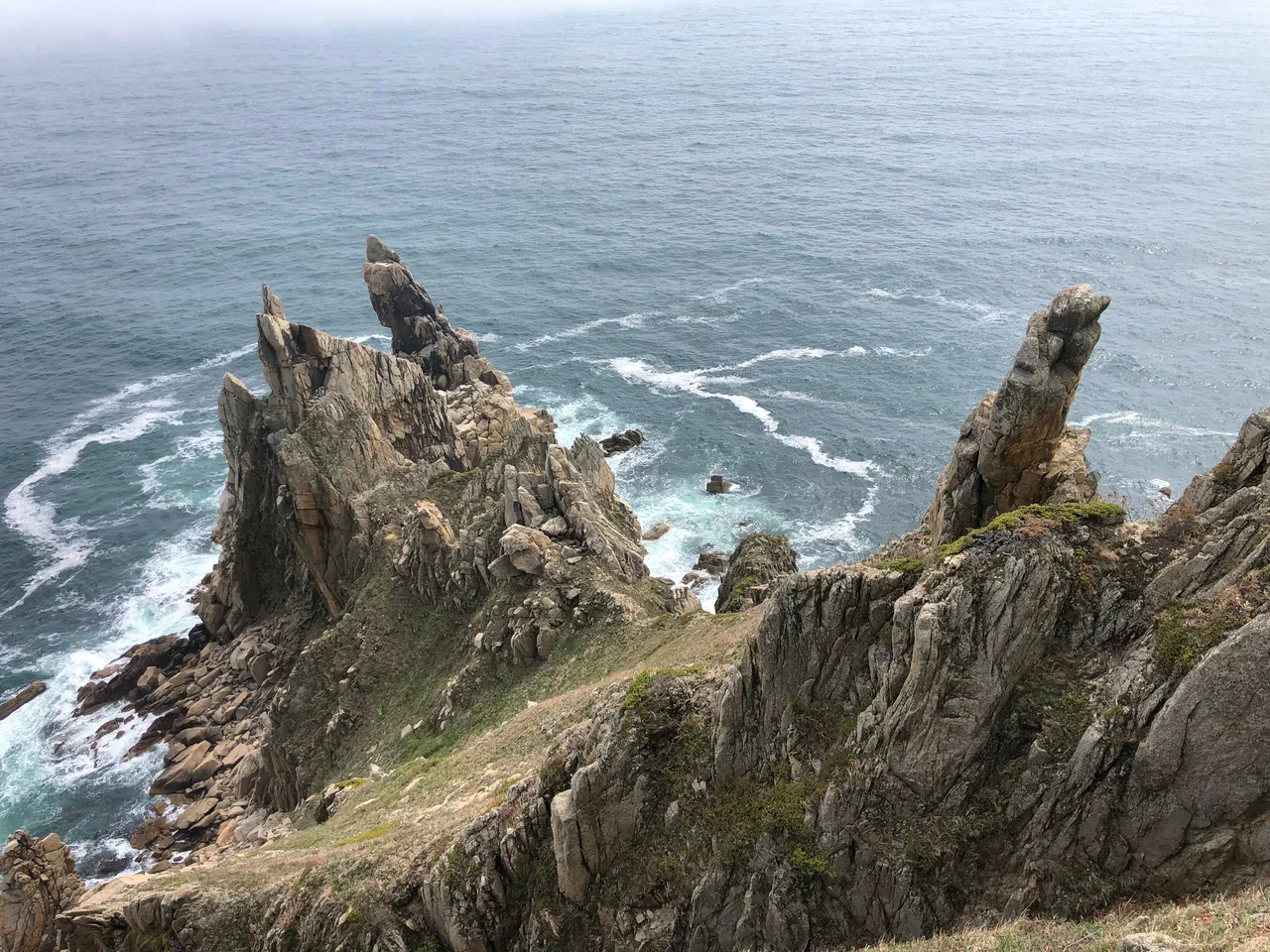
Cape Laplace is a rocky headland on the coast of the Sea of Japan in the Partizansky municipal district of Primorsky Krai, the western entrance cape of Krakovka Bay, also known as Yuzgou. The cape lies near the town of Nakhodka, next to Trekhozyorye Bay and the Kreyser Rocks.
From the top of the cape there is a panoramic view of Krakovka and Trekhozyorye bays and the open sea beyond. The cape is known for its rock outcrops — sharp yellowish columns that local residents call "feathers" because of their unusual shape. Among tourists the cape is also known as a "place of power."
Nearby, in Trekhozyorye Bay, there are three freshwater lakes separated from the sea by a narrow strip of sandy beach. The Kreyser Rocks rise from the water close by, another prominent landmark of this stretch of coastline.
The cape was surveyed in 1860 by the crew of the schooner Vostok. It was named after the French navigator, vice admiral and president of the Geographical Society of France, Cyrille Pierre Théodore Laplace (1793-1875).
The cape still holds the remains of coastal artillery battery No. 529, built in the 1930s to defend the Sea of Japan coast from a possible attack from the sea. Gun pits and other fortifications, built directly into the rocky relief of the cape, have survived to this day.
Among travelers who have visited it, the cape has earned the name "place of power" — a name given for the unusual look of the rocks and the panorama they offer. There is no documented confirmation of this, and it is more of a popular nickname that has stuck to the place because of its atmosphere.
The cape can be reached by two routes. The first is a forest path starting from Trekhozyorye Bay, which lies about 40 km from the bus station in Nakhodka; the route is about 6.5 km long and takes 2-3 hours. The second route runs along the coast and is more difficult, including rocky sections that have to be crossed over stones and coastal ledges; it is about 7 km long and can take up to 5 hours.
The best time to visit is from late May to September, when the weather is dry and the risk of heavy surf along the coastal section of the route is lowest. There is no visitor infrastructure on the cape, so it is worth planning time for the return trip and bringing water.
No votes yet


No reviews yet. The first one helps the next travellers.