

Tourist complex Ataman
1.4 km1.7k8
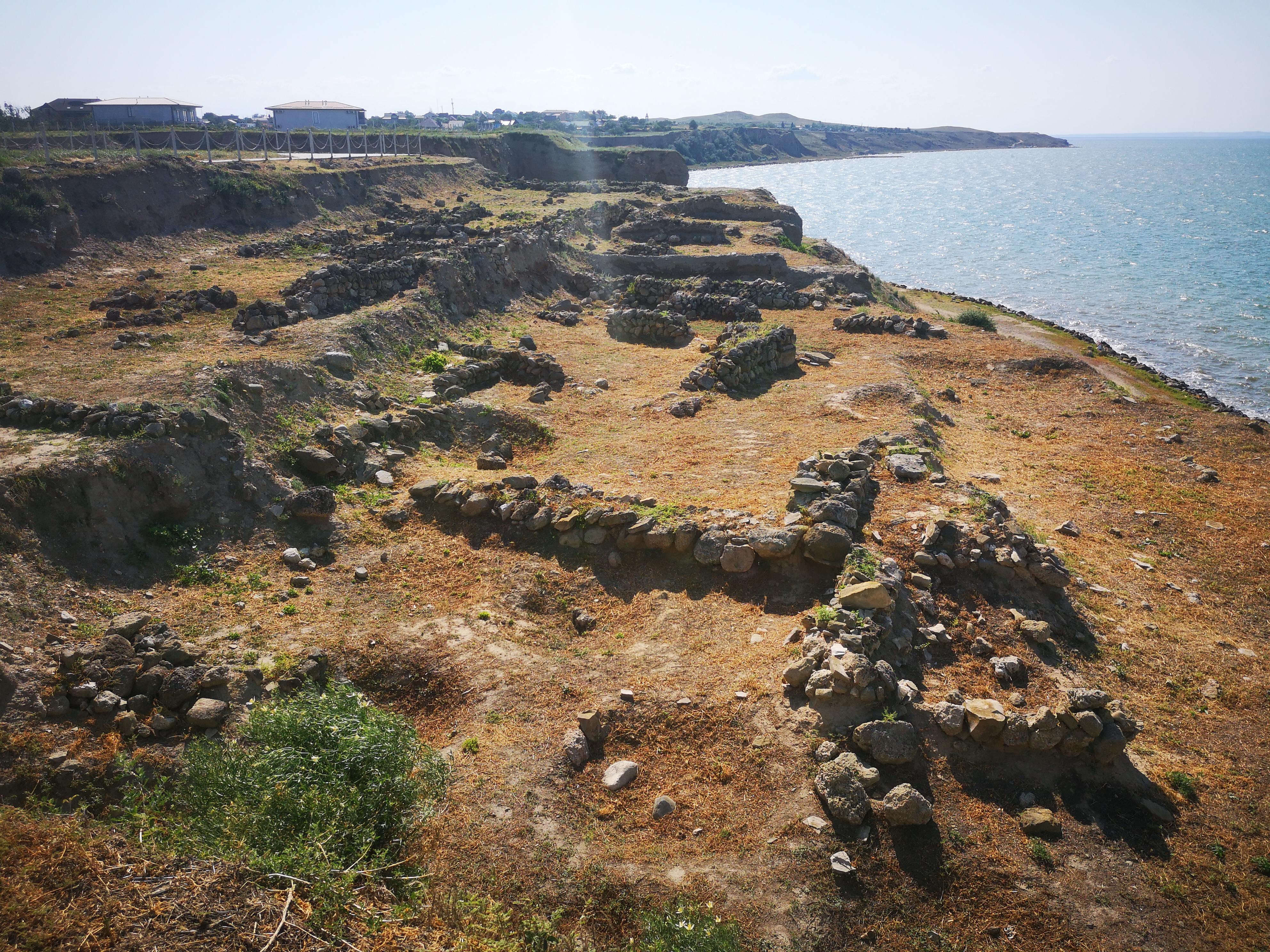
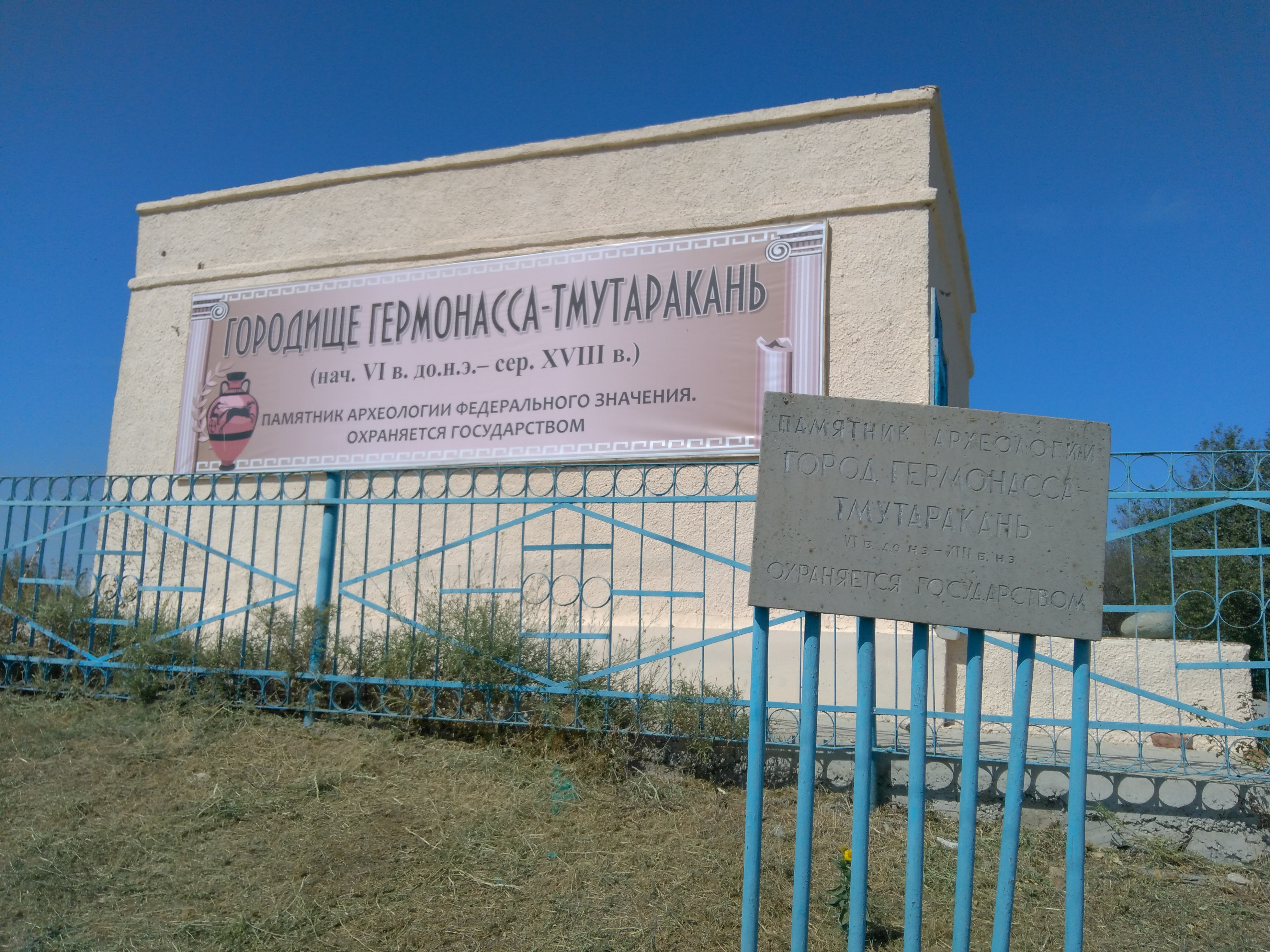
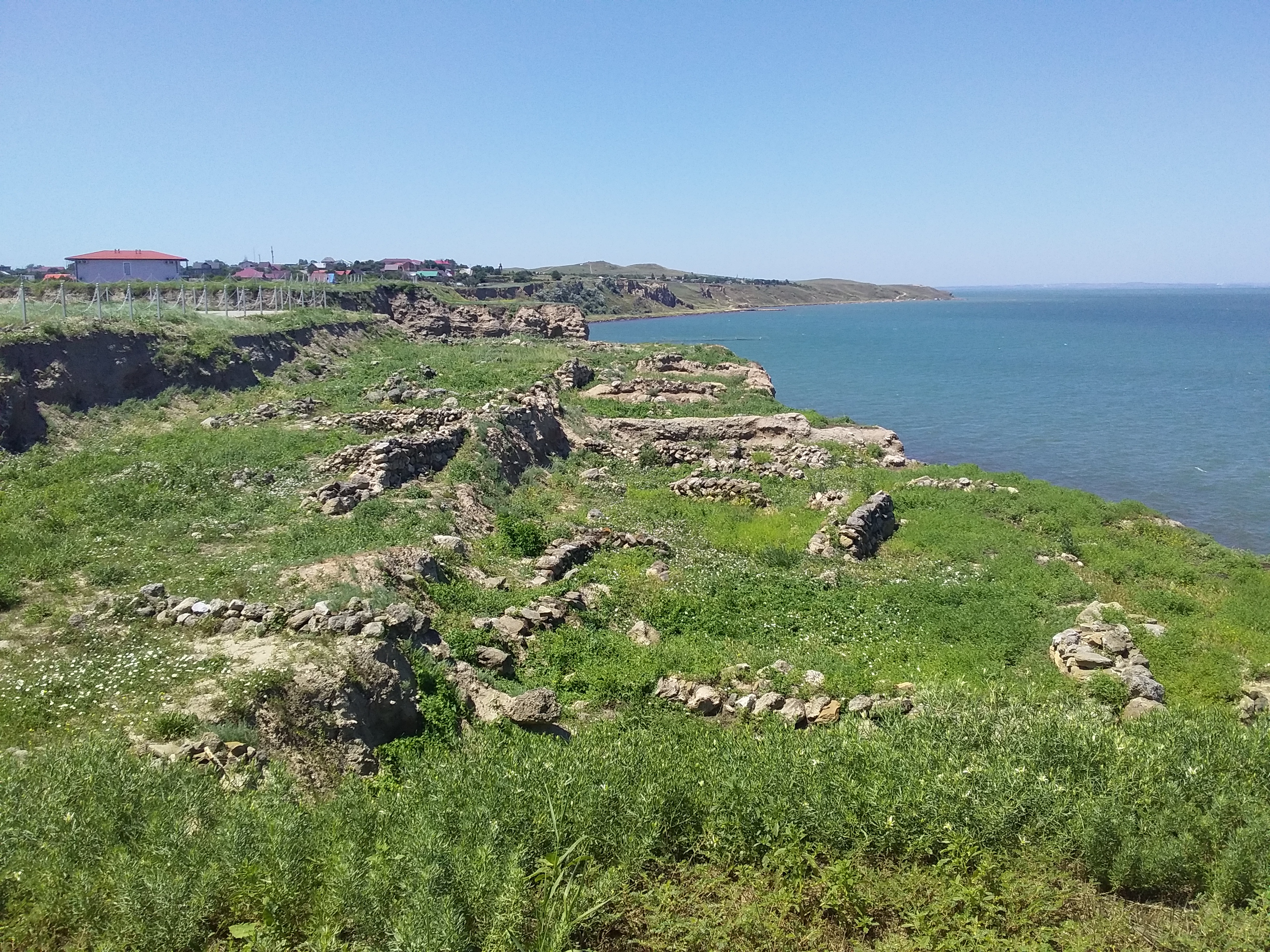
Hermonassa-Tmutarakan is an ancient settlement site in the centre of the village of Taman, Temryuk District, Krasnodar Krai, on the shore of the Taman Bay. Layer upon layer, it holds the Greek city of Hermonassa, Khazar Tamatarkha, the Russian Tmutarakan and later towns. It is one of the most important archaeological sites in Russia, protected as a cultural heritage monument of federal significance, and today it is part of the Taman Museum Complex.
Hermonassa was founded by Greeks in the 6th century BC and lived on as a city-state until the 4th century AD. In the 4th century BC it became part of the Bosporan Kingdom and one of its major centres, drawing the surrounding settlements to it; ancient writers called it a "beautifully built" city. In the 5th and 6th centuries AD it came under Byzantine influence, and in the 7th century it passed to the Khazars: from the 8th to the first half of the 10th century this was Khazar Tamatarkha.
In the second half of the 10th and the 11th century Tmutarakan was the capital of the Old Russian principality of Tmutarakan. From the mid-13th to the early 14th century the Tatar town of Matrika stood here, and in the 14th and 15th centuries the Genoese Matrega. From the 15th to the 18th century the Turks ruled the area and built the Hunkala fortress on the ruins. After the Russo-Turkish war the land passed to Russia, and in 1792 Zaporozhian Cossacks settled here and founded Taman.
Ancient authors told the story of the founding in different ways. According to Arrian, the city was founded by Aeolian Greeks led by Semandros of Mytilene. According to Dionysius, the founders were Ionian Greeks led by Hermon, whose name is said to have given the city its name.
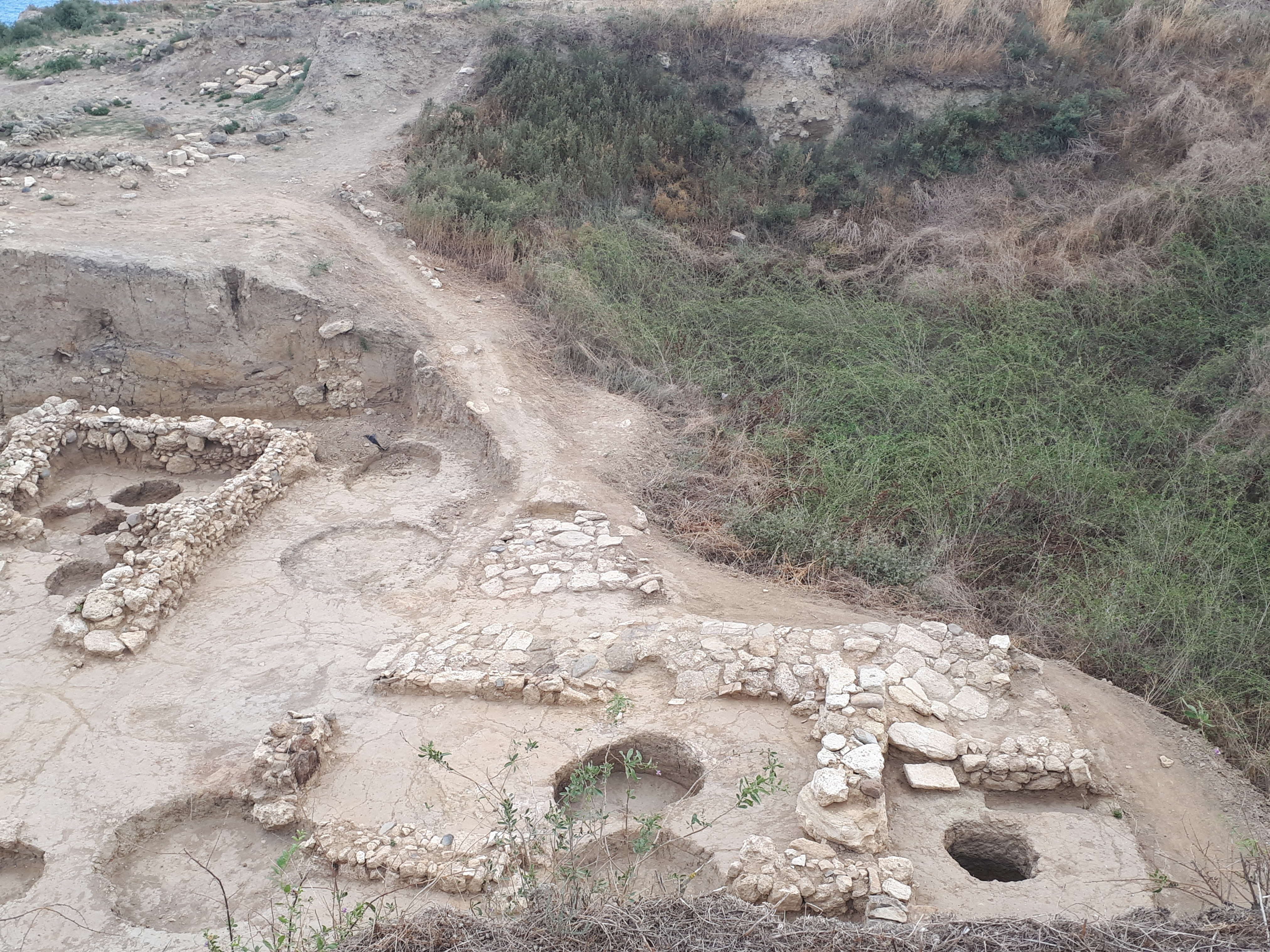
In places the cultural layer is 12 to 14 metres deep. Systematic excavations were led by I. B. Zeest (1952, 1955–1970), A. K. Korovina (1971–1988) and S. I. Finogenova (1989–2007); since 2007 the work has been headed by T. A. Ilyina. Finds include fragments of a marble frieze with giants from a temple of Aphrodite, a hoard of 4th-century BC Bosporan gold coins, a marble sarcophagus and red-gloss pottery.
The site's main threat is the collapsing shore: landslides have already carried away part of the ancient city, including its central quarters. That is why the digs focus on the shoreline, where the surviving layers are rescued and studied. About 15 hectares of the site are now protected by the state.
The site lies in Taman, on Podgorny Lane by the bay. It belongs to the Taman Museum Complex together with the Archaeological Museum and the Lermontov House Museum. Tickets are sold at the Archaeological Museum on Karl Marx Street.
No votes yet


No reviews yet. The first one helps the next travellers.