

Бендерская крепость (Cetatea Tighina)
5.068.8 km1.7k8
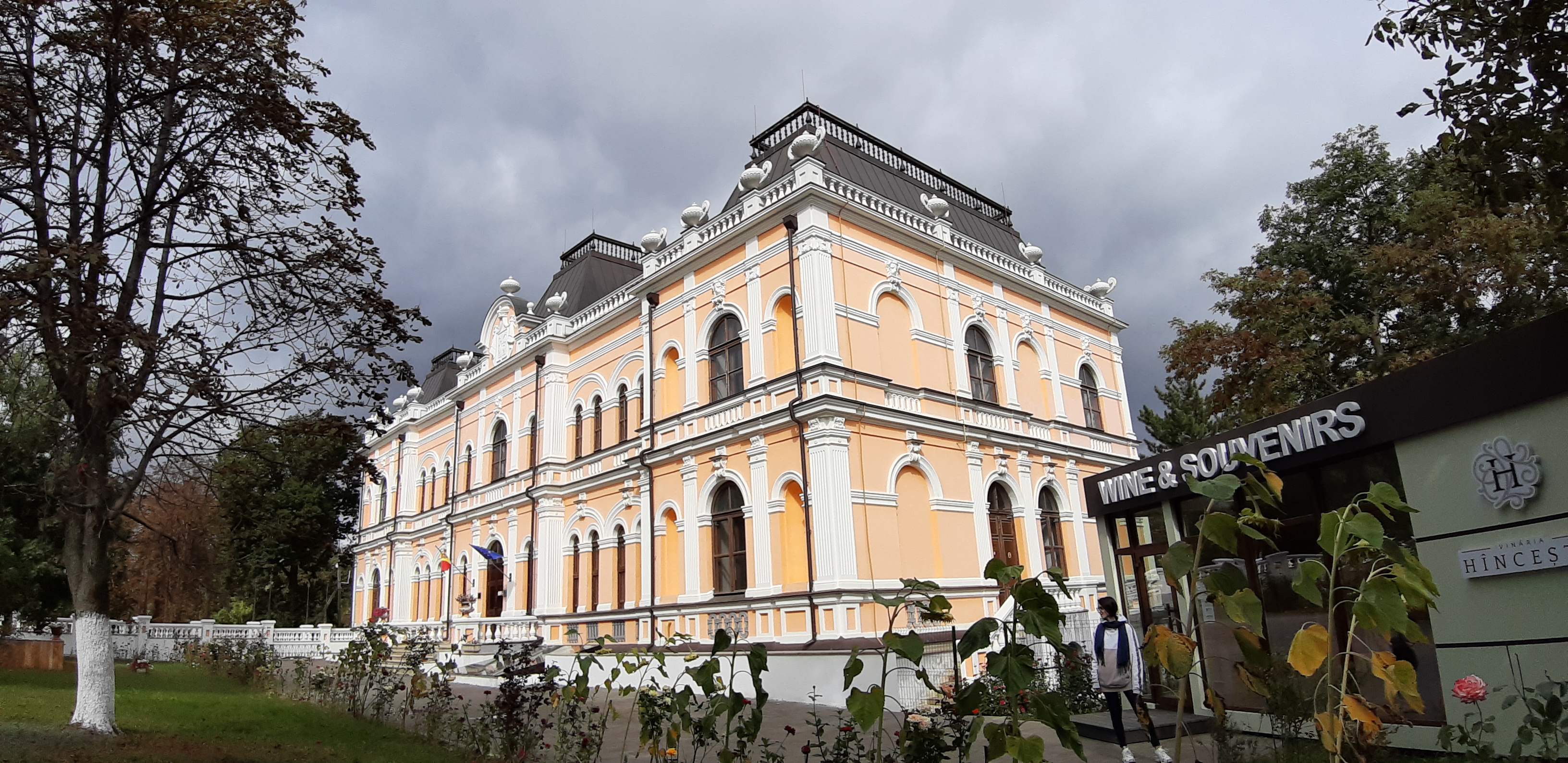
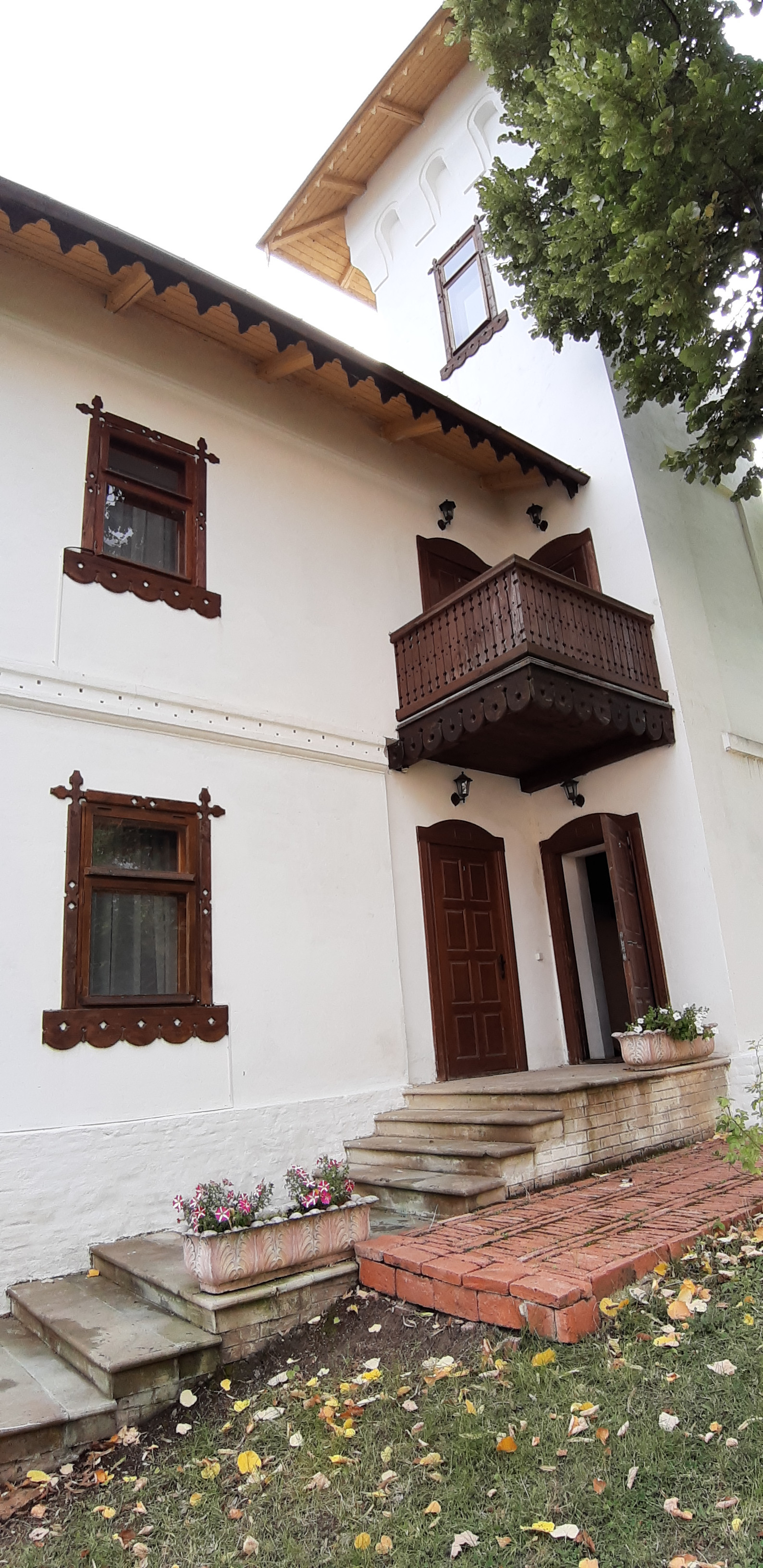
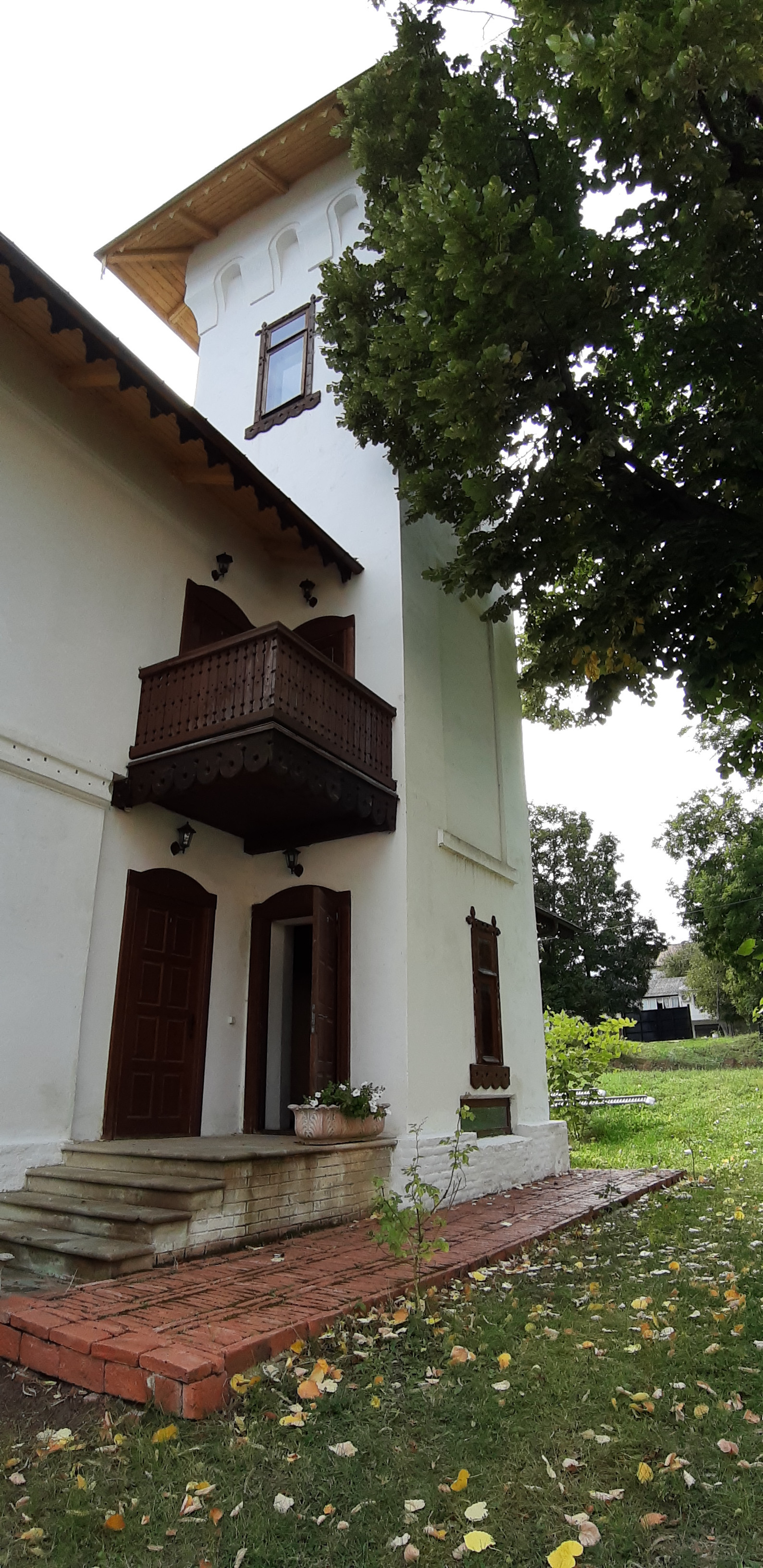
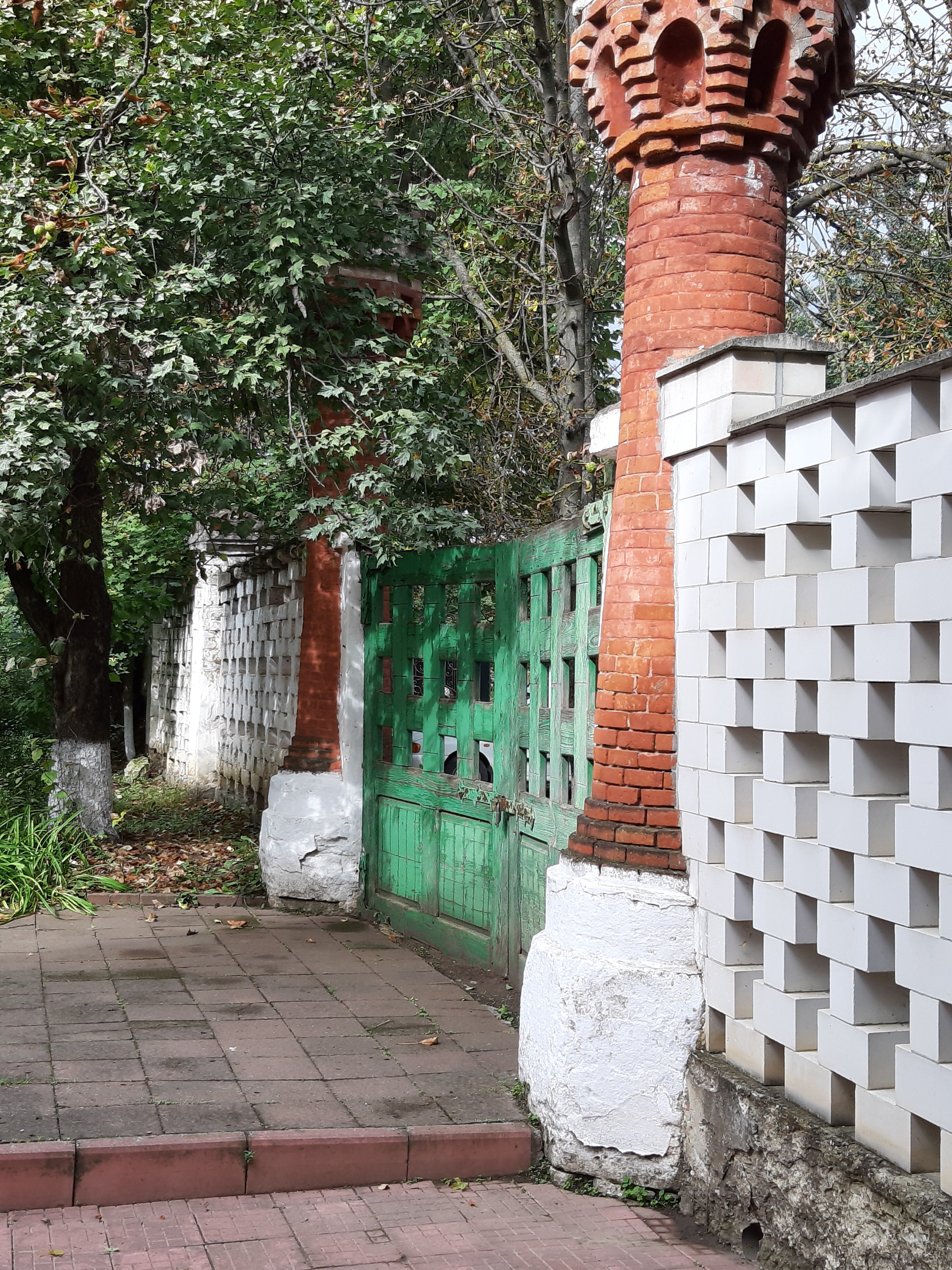
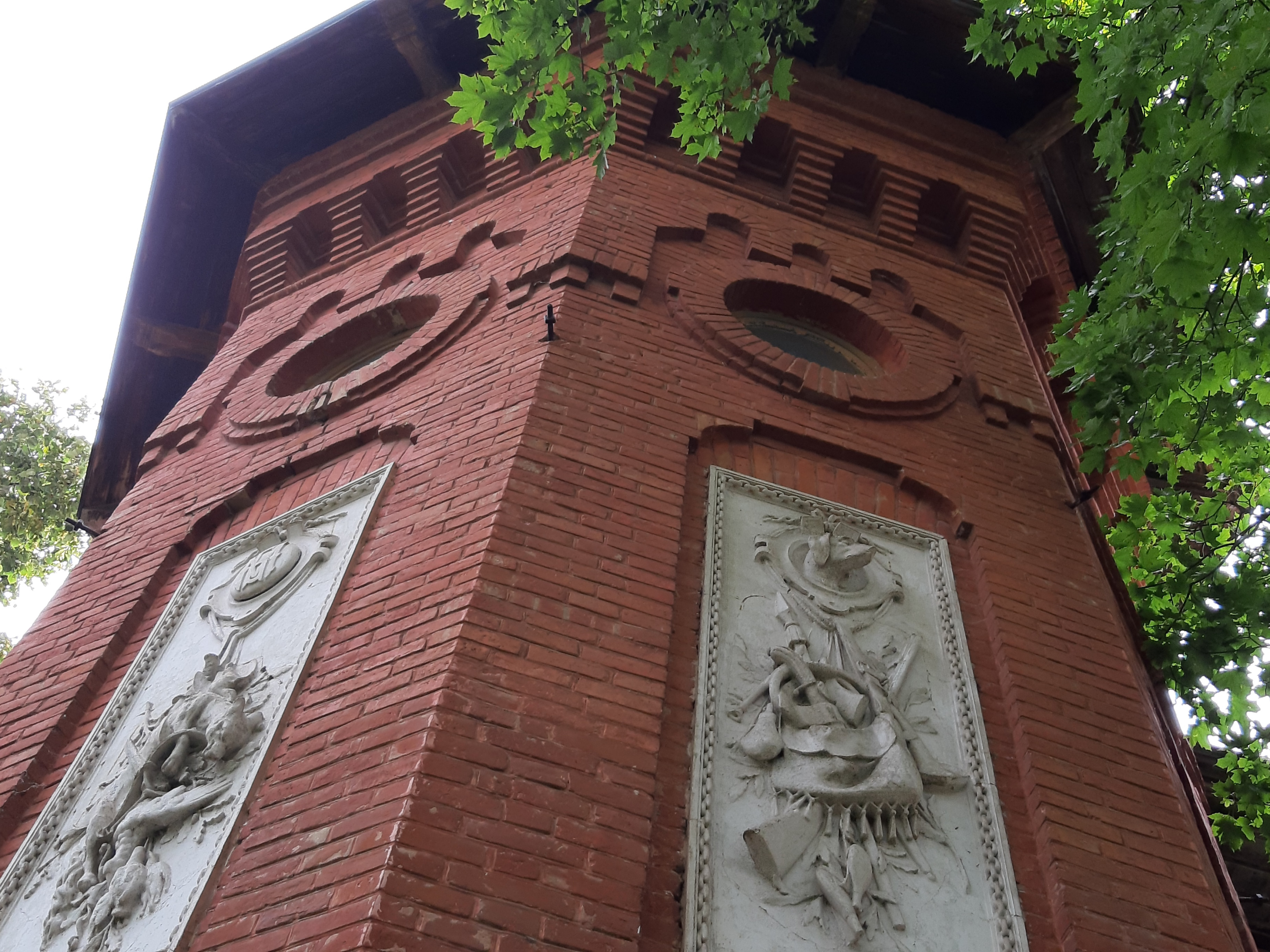
The Manuc Bey Palace is the main building of the Manuc Bey estate in the southern part of Hîncești, about 36 km southwest of Chișinău in central Moldova. Together with the hunting castle, a watchtower and a park, it is one of the best-known manor ensembles and castles in Moldova and a listed architectural monument of national importance.
The estate is named after Manuc Bey Mirzayan (Emanuel Mârzaian), an Armenian merchant and diplomat born in 1769 in Rusçuk. He acted as a go-between for the Ottoman Empire and Russia, and his inn in Bucharest is still known as Hanul lui Manuc. In 1815 he moved to Bessarabia and bought the Hîncești estate, but he barely lived there: he died on 20 June 1817.
The palace is often dated to 1817, but it was in fact built by his descendants: his son Murat began the work and his grandson Grigore finished it in the second half of the 19th century. The hunting castle came later, in the 1880s, designed by Alexander Bernardazzi, the architect of many buildings in Chișinău, which is why his name is attached to the whole estate.
Under the heirs the estate was famous for its luxury: the park had fountains and a small pond, and the outbuildings were linked to the palace by glass galleries. Fortified walls surrounded the ensemble. After the Second World War the palace was hastily converted into a technical college, and in the late 1950s the walls were pulled down. After the 1986 earthquake the building was declared unsafe, and in 1991 the college moved to new premises nearby. In 1993 the palace was listed as an architectural monument, and the estate was restored in the 2010s.
The palace stands on the northern slope of a hill at the edge of the park, reached by an alley from the main gate at the foot of the hill. Because of the slope, two storeys are visible from the hilltop and three from the park. The building follows French classicism, with wide windows and loggias; on the terrace, niches with frescoes were cut into the thick walls to hold statues.
Besides the palace, the estate includes the hunting castle, a watchtower, a library building and the servants' house. Today the complex is a museum with guided tours, exhibitions and events, showing the palace halls and an underground passage. The hunting castle was reported closed for restoration in 2019, so check what is open before you go.
Legend has it that Ivan Aivazovsky painted the palace ceilings, but no trace of such paintings survives and nothing confirms the story. There are also tales of catacombs and unexplored underground galleries beneath the estate.
From Chișinău a road leads southwest to Hîncești, a drive of under an hour; suburban buses also run there. The estate is in the southern part of the town, not far from the centre.
No votes yet


No reviews yet. The first one helps the next travellers.