

Museum of Natural History of Tatarstan
0.1 km1.5k4

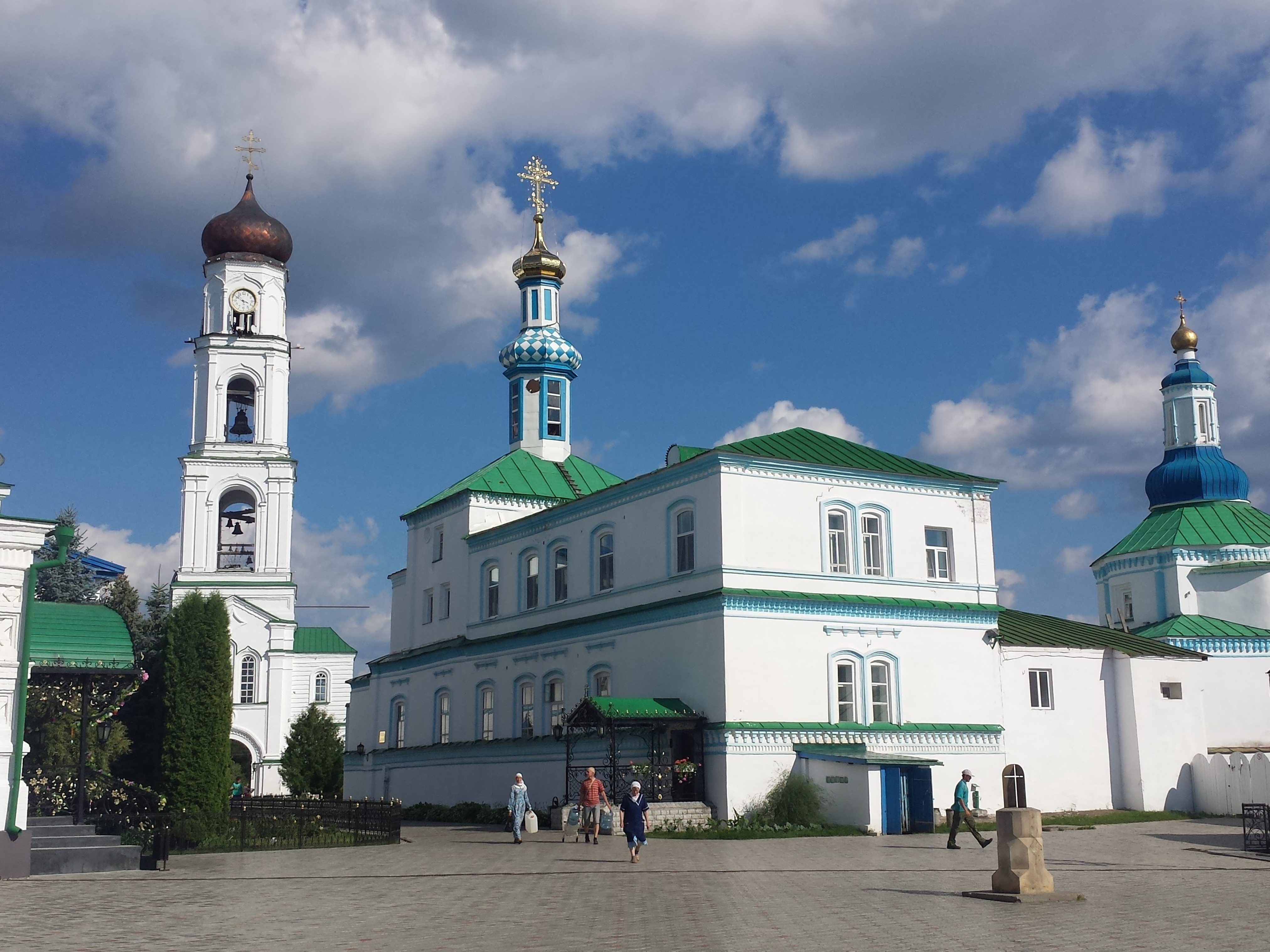
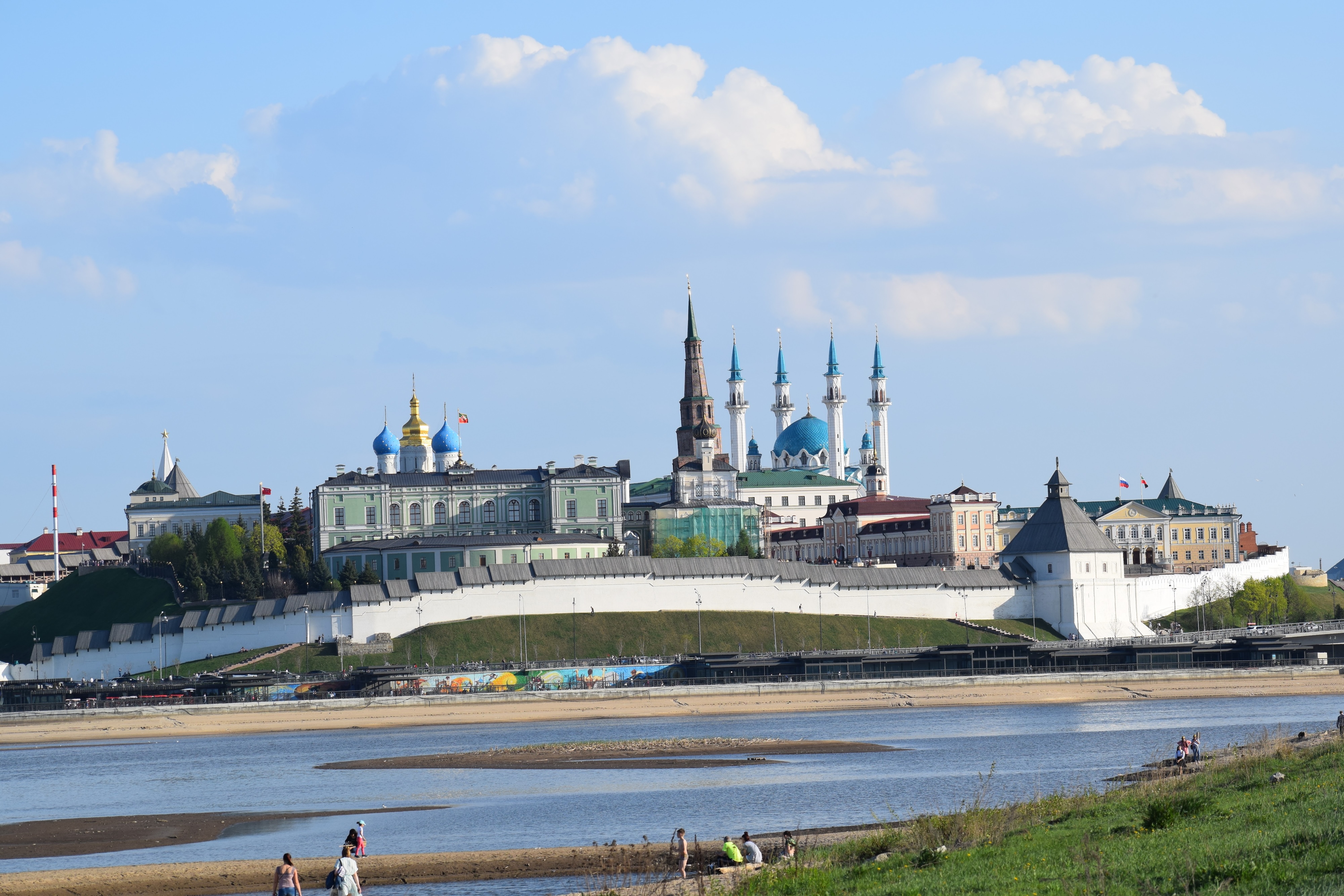
The Kazan Kremlin, known in Tatar as Qazan Kirmäne, is the oldest part of Kazan and a historical and architectural complex on a cape of the high terrace on the left bank of the Kazanka River, in the Republic of Tatarstan, Russia. Since 2000 it has been a UNESCO World Heritage Site (listed as the "Historical and Architectural Complex of the Kazan Kremlin") and a federally protected cultural heritage site of Russia; it is also the official residence of the Head of the Republic of Tatarstan.
The Kremlin covers about 15 hectares and forms an irregular polygon stretching from the Kazanka River in the northwest to Ploshchad Pervogo Maya (May Day Square) in the southeast; its walls run for about 1.8 km. Besides the kremlin complex itself, the grounds hold archaeological remains from several eras, still studied by researchers piecing together how the site changed over the centuries.
The first fortification on this hill dates back to the 12th century, a Bulgar stronghold. Over time it became the seat of a principality and then of the Khanate of Kazan, a vassal of the Golden Horde. In 1552 Ivan the Terrible's troops captured Kazan, after which the Kremlin was rebuilt by the Pskov architects Postnik Yakovlev and Ivan Shiryai — the same masters who later built St. Basil's Cathedral in Moscow.
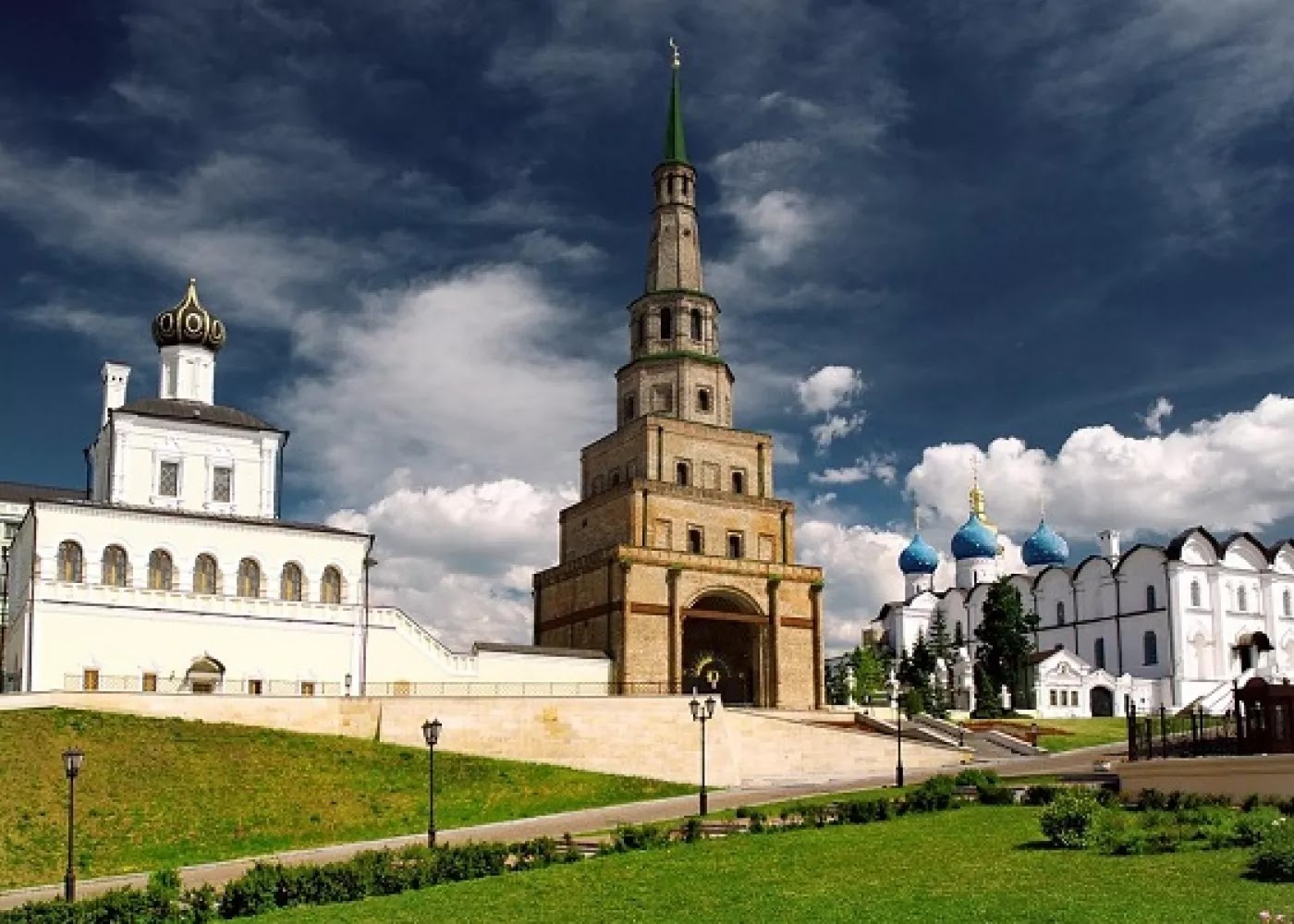
Side by side on the grounds stand monuments of two religious traditions: the Kul Sharif Mosque, with minarets 58 metres tall, and the 16th-century Annunciation Cathedral. Nearby is the Syuyumbike Tower, a leaning watchtower from the same era, and the Governor's Palace, today the seat of the Head of Tatarstan. The Cannon Yard complex and the Transfiguration Monastery, now a museum, have also survived; several museums operate inside the Kremlin's buildings, including the Museum of Islamic Culture and the National Art Gallery of Tatarstan.
The Kazan Kremlin is more than an architectural ensemble — it is a symbol of the cultural unity of Russian and Tatar traditions and the main landmark of Kazan; its grounds are open to visitors.
No votes yet


No reviews yet. The first one helps the next travellers.