

Blue Lake (Podlubovo)
5.029 km11.3k7
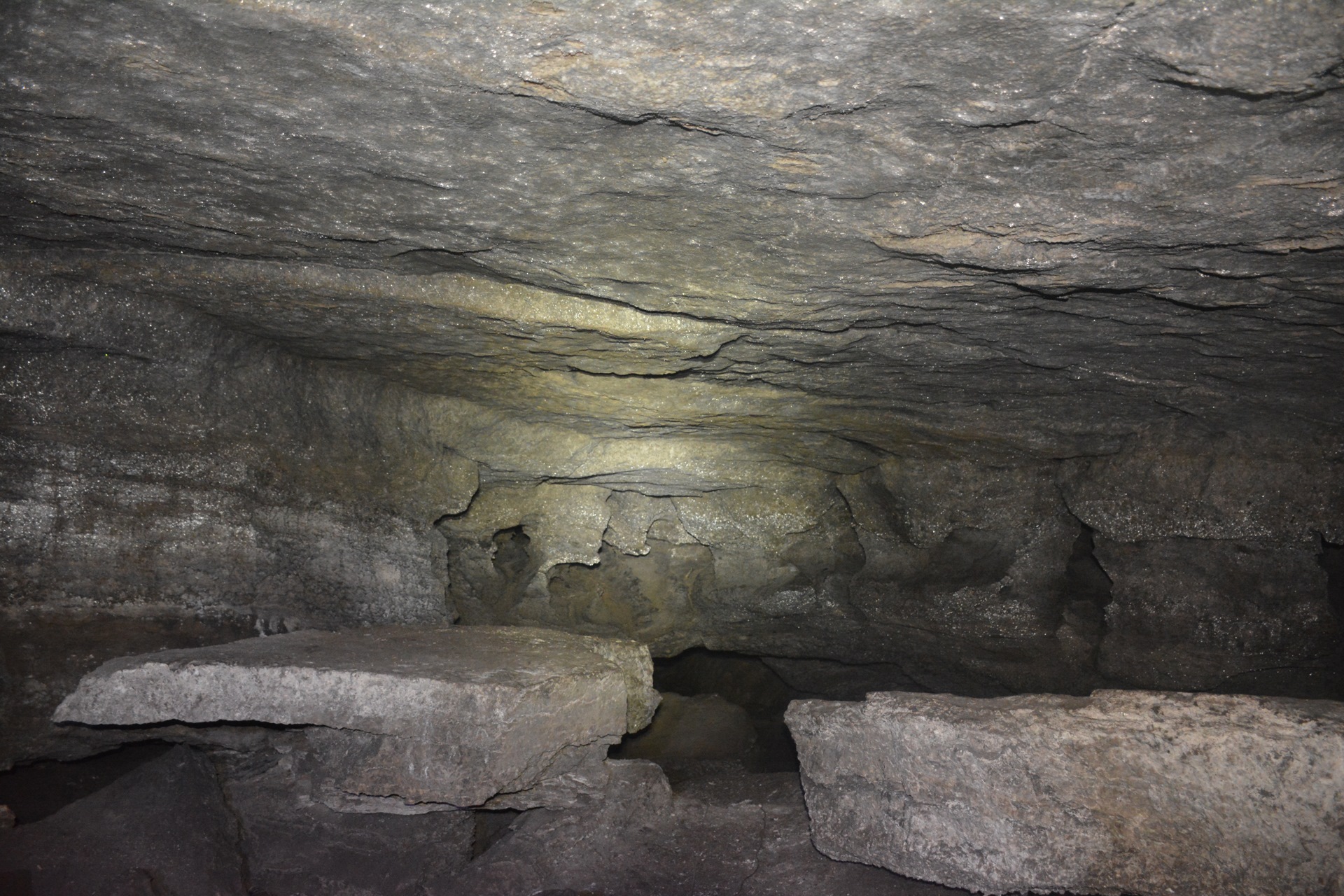
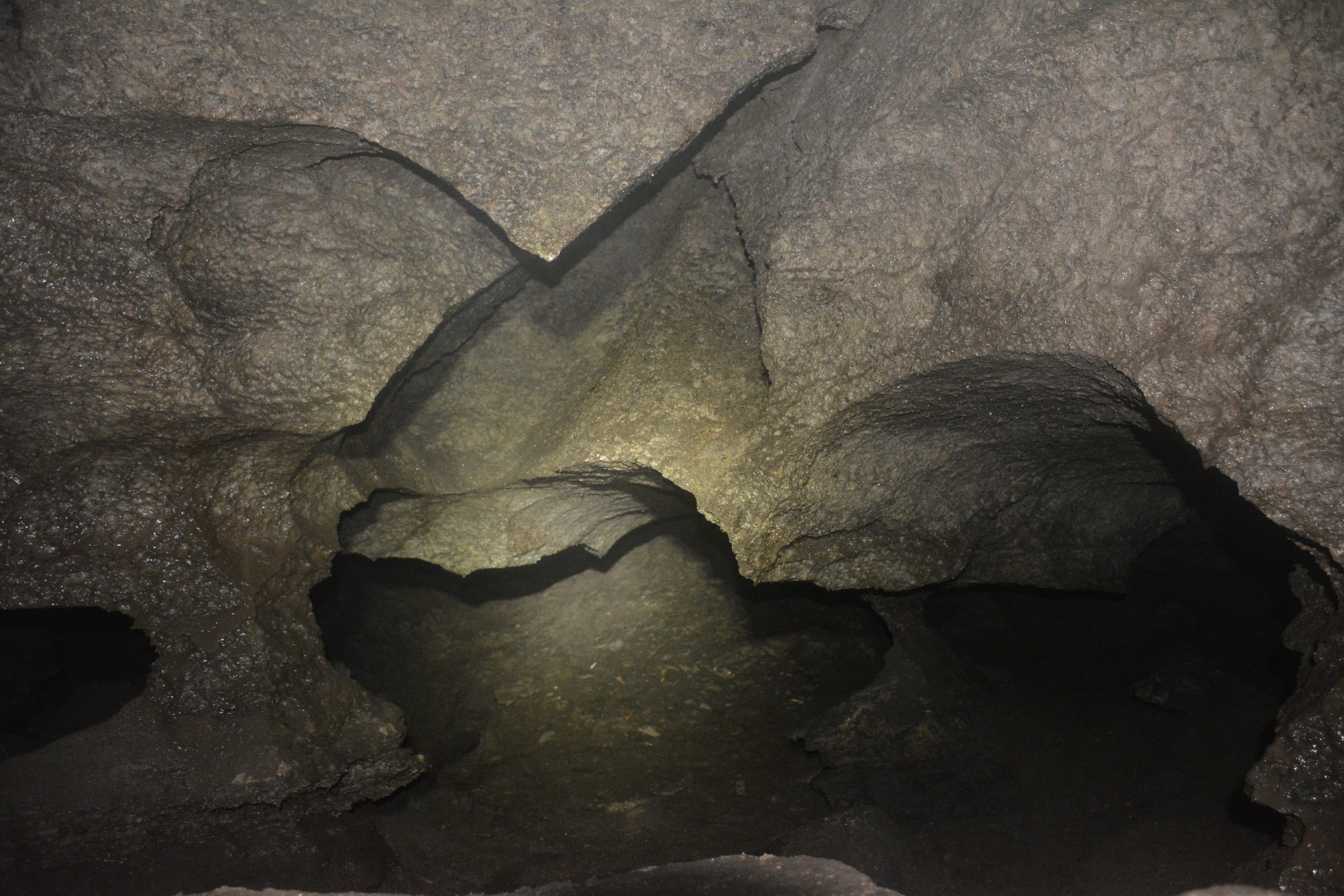
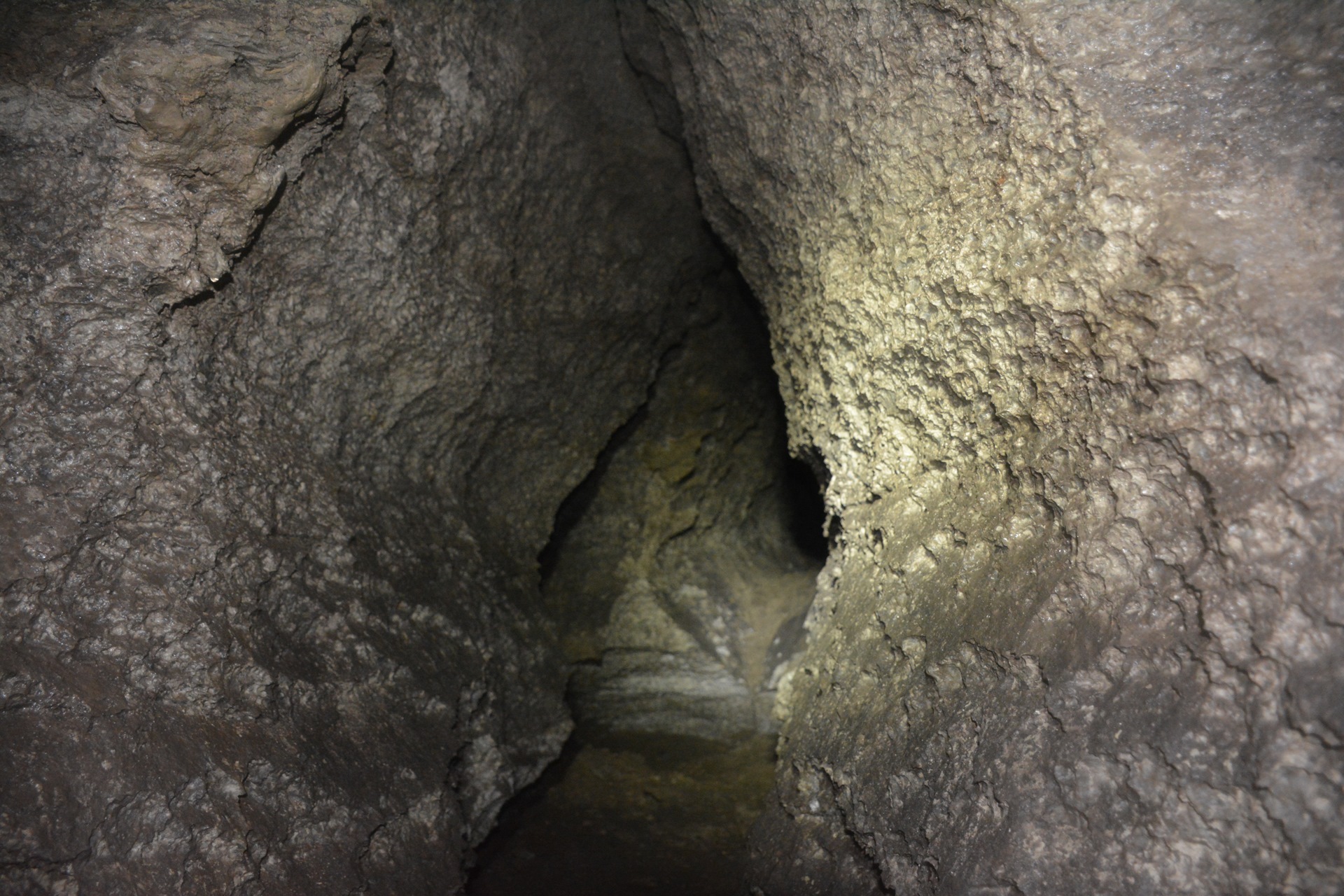

Kurmanaevo Cave, also known as the Kurmanaevo caves, is a group of gypsum karst caves on the edge of the village of Kurmanaevo in the Aurgazinsky District of Bashkortostan, Russia, by the Aurgazy River near Staroabsalyamovo. It is one of the earliest described caves in Bashkiria and a protected natural monument.
The first mention of the cave is attributed to the academician Ivan Lepyokhin, who travelled across the Urals around 1770. A detailed account appeared in 1847 in the Journal of the Ministry of Internal Affairs: its author, a Mr. Losievsky, went underground with lanterns and a torch and described the passages, grottoes and lakes. The cave has been a natural monument since 1965.
The cave formed in Kungurian gypsum (alabaster), which water dissolves to cut its passages. According to the 1847 account, the caves have four entrances: three close together in a small ravine at the edge of the village and a fourth in a neighbouring vegetable garden. The main entrance is low, about 1.2 metres high and about 4 metres wide.
Inside are passages and grottoes under alabaster vaults; in one place the ceiling rises into a vast rotunda that descriptions liken to a Byzantine dome. Sinkholes and cracks carry rain and meltwater into the cave. There are two underground lakes covered with ice and holding clean cold water, which villagers once used for drinking. Large transparent plates with an iridescent sheen, called mica in the old account, lie on the floor. There are no dripstone formations such as stalactites.
Estimates of the total length of the passages vary widely between sources, from 70 to 500 metres.
Villagers say the cave was once much larger, stretching for kilometres along the Aurgazy, and that one could drive a troika through its passages. Another legend has Red Army soldiers hiding here during the Civil War. Old residents also tell of people who walked into the cave at Kurmanaevo and came out near the village of Sultanmuratovo. None of these stories is confirmed.
The cave lies on the eastern outskirts of Kurmanaevo, in a ravine near the right bank of the Aurgazy. A faded sign describing the natural monument may stand by the entrance.
Gypsum caves are unstable: ceilings can collapse. Go inside only with proper gear, spare light and company, and keep away from the icy lakes.
No votes yet


No reviews yet. The first one helps the next travellers.