 Anomalous place

Василёвское озеро
5.063.2 km2.5k3
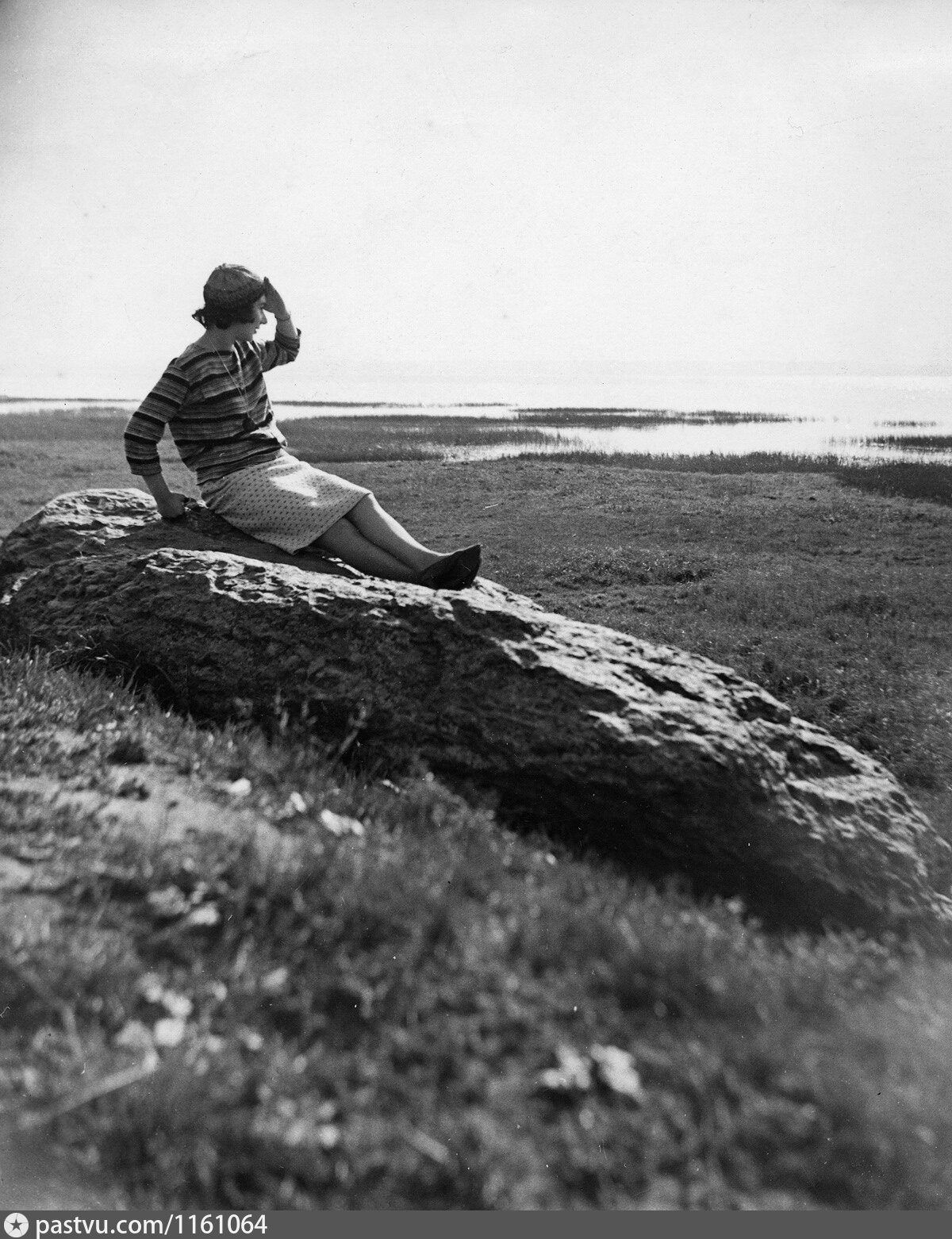
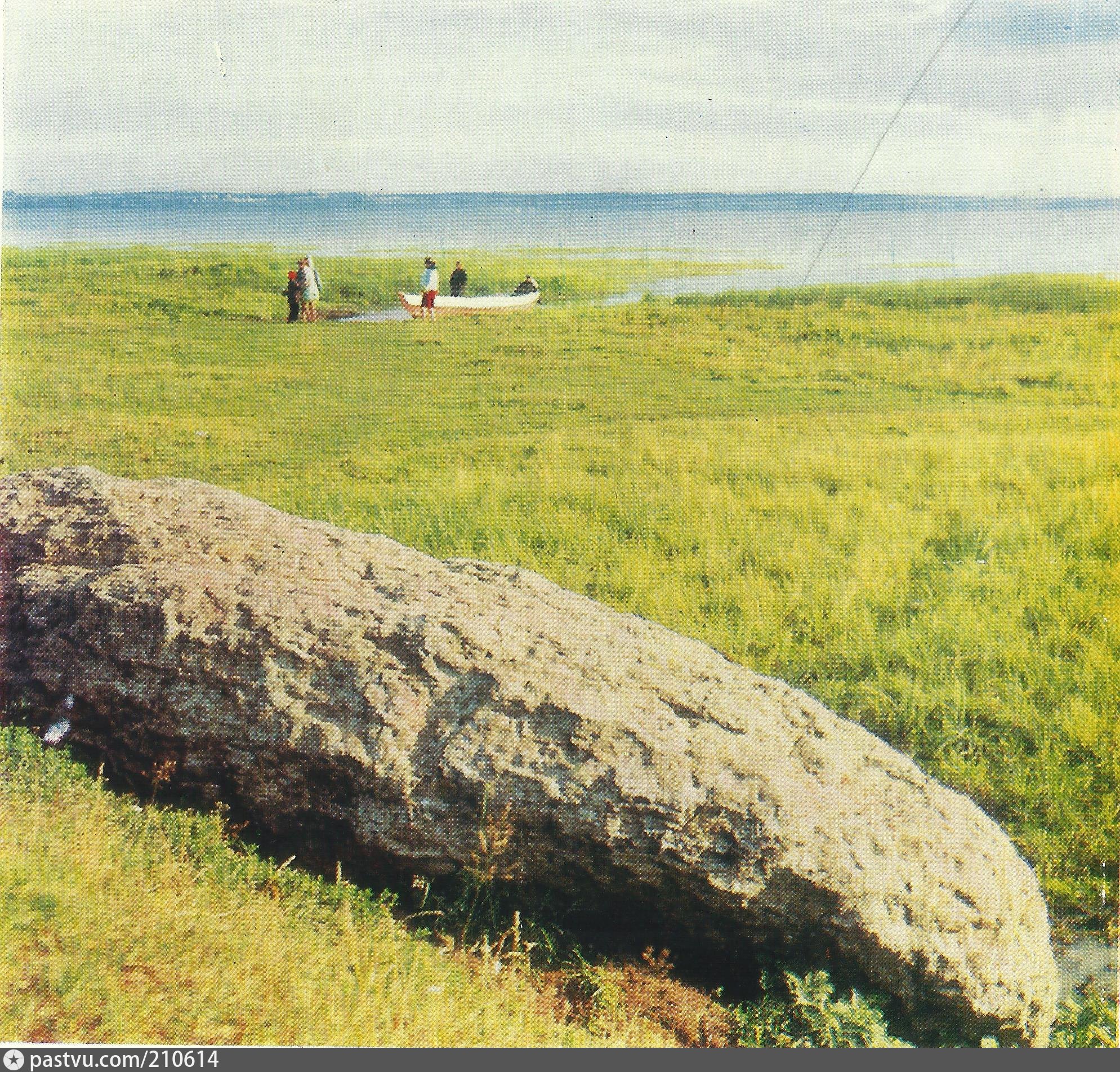
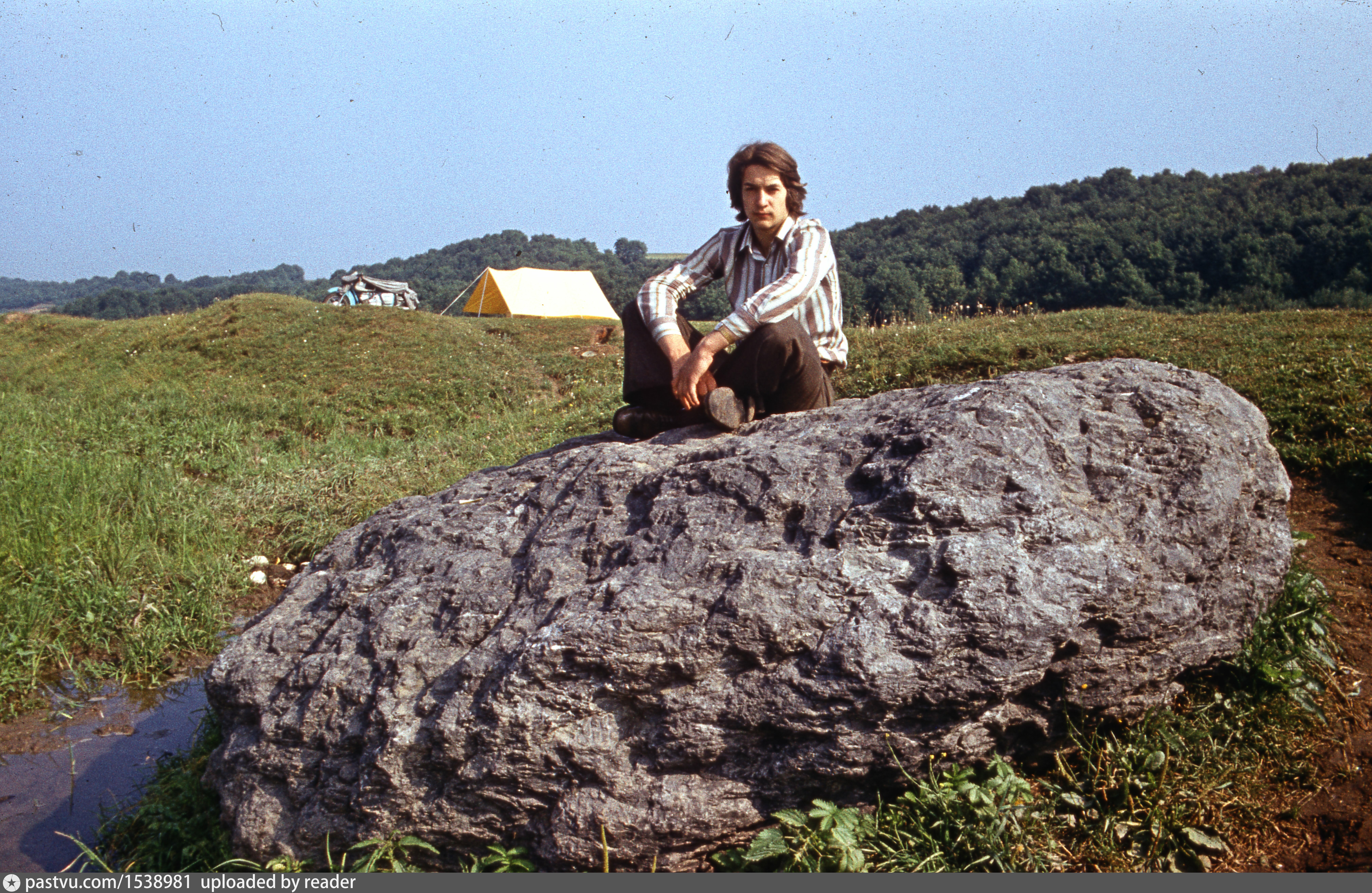
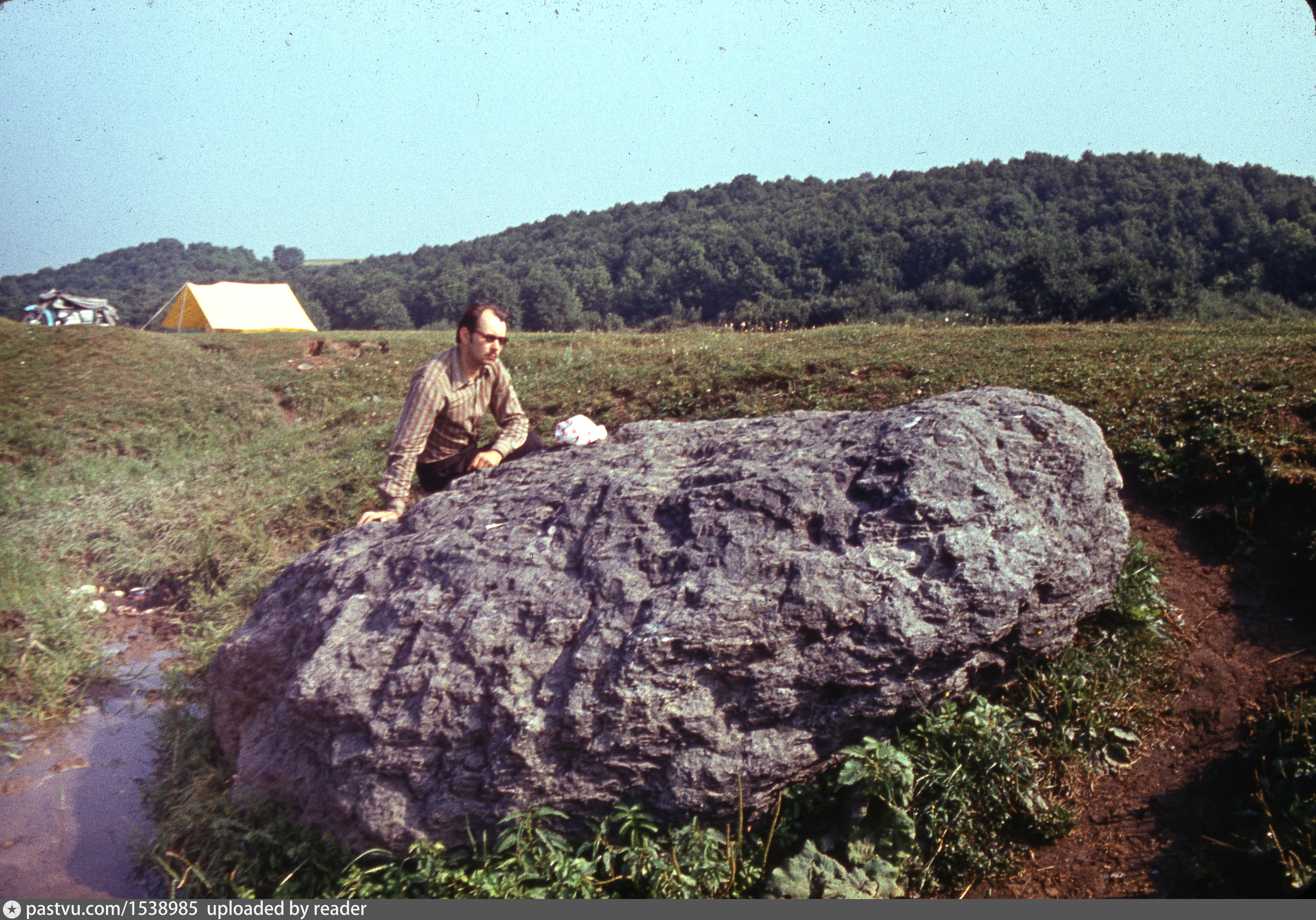

The Blue Stone, or Siny Kamen, lies on the northeastern shore of Lake Pleshcheyevo in the Yaroslavl region, a few kilometers from Pereslavl-Zalessky, next to Alexandrova Hill and the remains of the ancient settlement of Kleshchin. It is a huge boulder about 3 meters long, 2.2 to 2.5 meters wide, and weighing an estimated 12 tons — one of the few genuine ritual stones to survive from pagan Rus. The stone was carried to Lake Pleshcheyevo by a glacier from Scandinavia about 30,000 years ago and is made of fine-grained quartz-biotite schist. In dry weather it looks ordinary dark gray, but after rain and in bright sunlight its wet surface takes on a bluish tint, which gave the stone its name.
In pre-Christian times the stone was worshipped by the Merya people, and later, in the 9th to 11th centuries, by pagan Slavs who migrated to the lake from the Novgorod and Dnieper lands and performed rituals around it. Local residents kept using the stone in their rites until the 17th century, despite church prohibitions. According to the Life of Irinarkh of Rostov, in the early 17th century the monk advised his friend, deacon Onufry, to bury the stone in the ground; Onufry did so, but the boulder soon surfaced again. In the late 1780s the stone was meant to become the foundation of the Church of the Holy Spirit being built on Alexandrova Hill: it was loaded onto a sledge and hauled across the ice of Lake Pleshcheyevo, but the ice cracked under its weight and the boulder sank to a depth of about 1.4 meters. Seventy years later it resurfaced on the shore, north of its former spot, which is attributed to storm winds and the movement of ice.
Several legends surround the stone. One says it was thrown down from the top of Alexandrova Hill on the order of Tsar Vasili Shuisky. Another, with no documentary support, holds that the Blue Stone was once worshipped as a pagan deity of the Merya people. Local old-timers say that objects go missing near the stone, mobile phone signal disappears and batteries drain quickly, and that its surface is never covered by snow or ice even in winter — specialists explain this by the boulder sinking noticeably deeper into the ground before cold spells. The stone is credited with the power to grant wishes, cure infertility, and restore male vigor; esotericists visit it year-round to perform their own rituals.
Today the Blue Stone has sunk about two-thirds into the ground and rises only about 30 centimeters above the surface, compared with roughly a meter and a half in the past. The surrounding area has been landscaped and fenced: a wooden boardwalk with railings hung with colored ribbons leads from the road to the stone and on to the lakeshore. Entry is paid: since 2025 it costs 400 rubles per person to visit Pleshcheyevo Lake National Park, which includes the monument. There is no parking lot by the stone, so cars are left on the roadside; the walk from central Pereslavl-Zalessky takes about an hour. The Blue Stone is a federally protected cultural heritage site of the peoples of Russia.
The easiest way to reach the stone is by car or taxi, since no public transport runs this route. Follow the Yaroslavl highway and, after the sign for Nikitsky Monastery, turn onto the side road.
No votes yet



No reviews yet. The first one helps the next travellers.